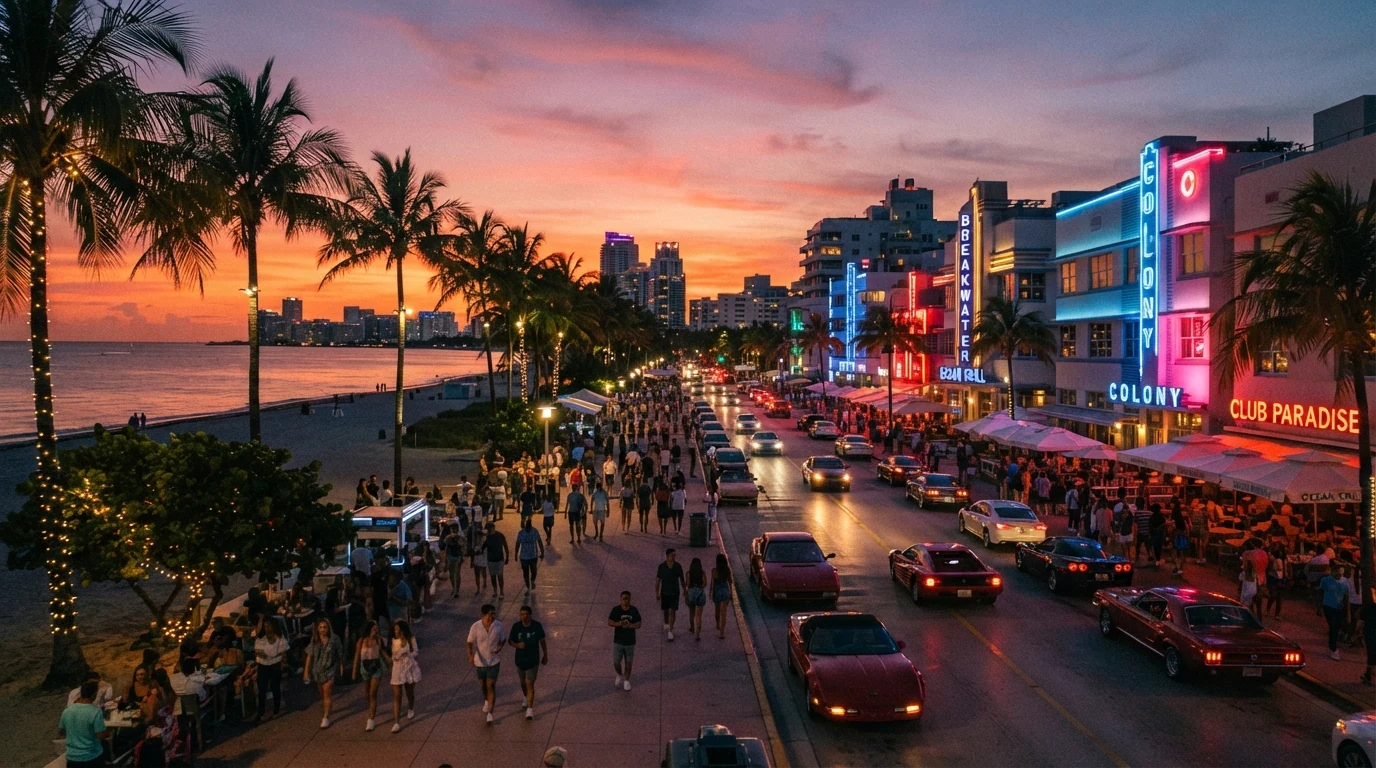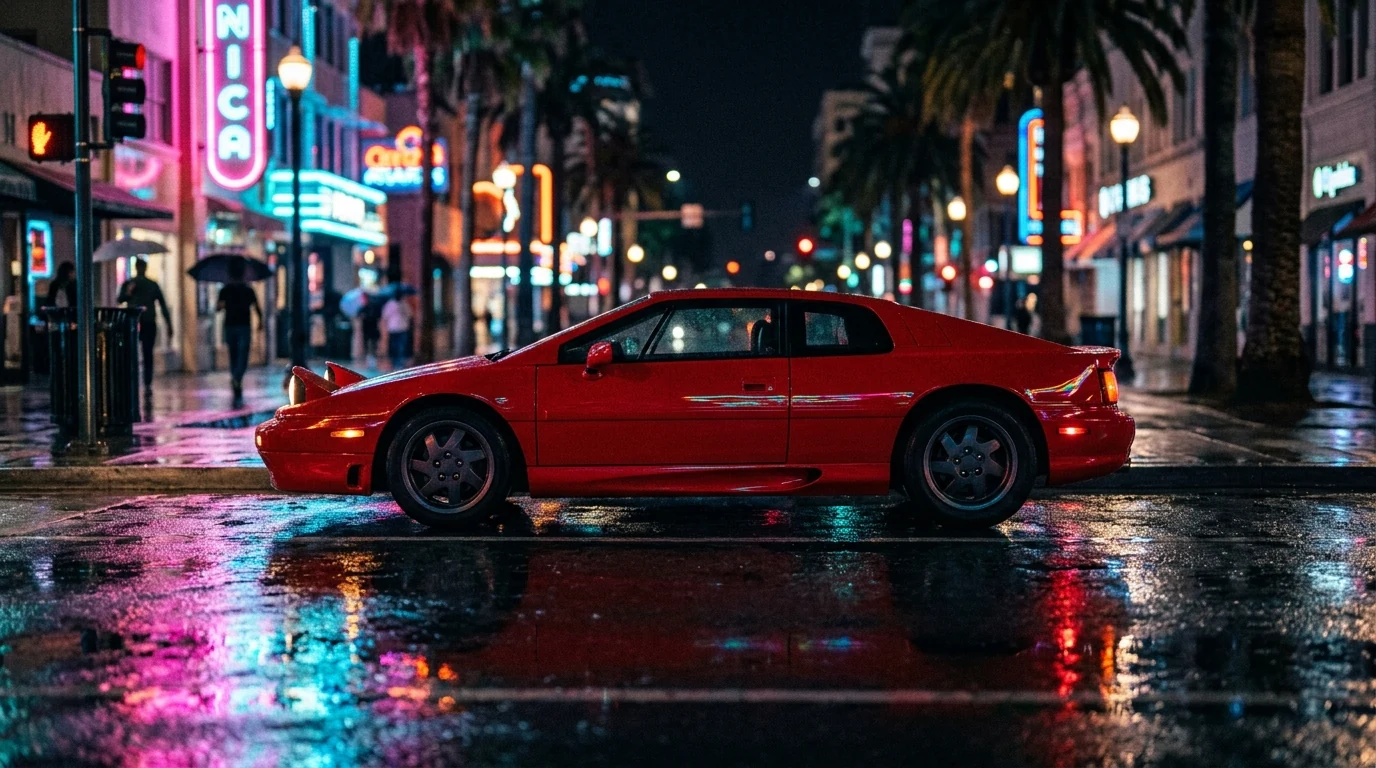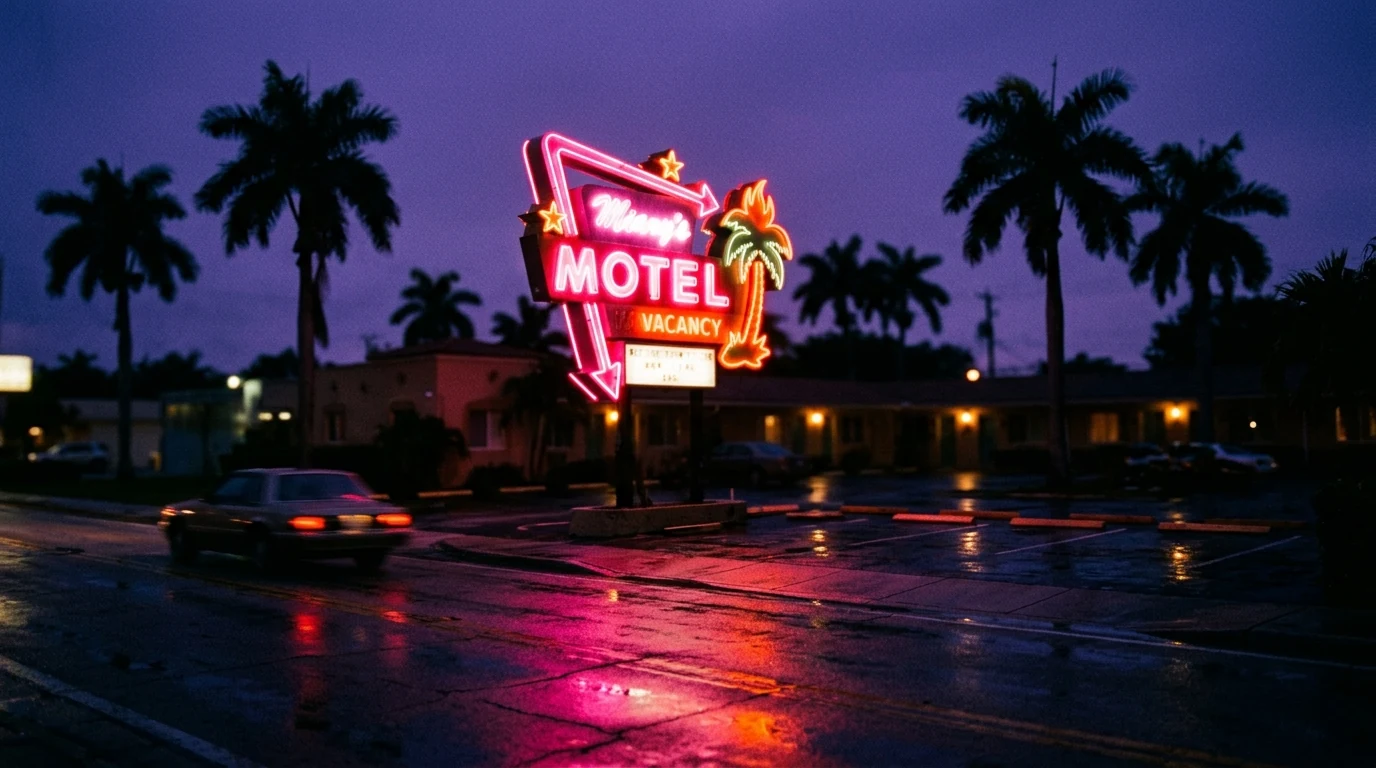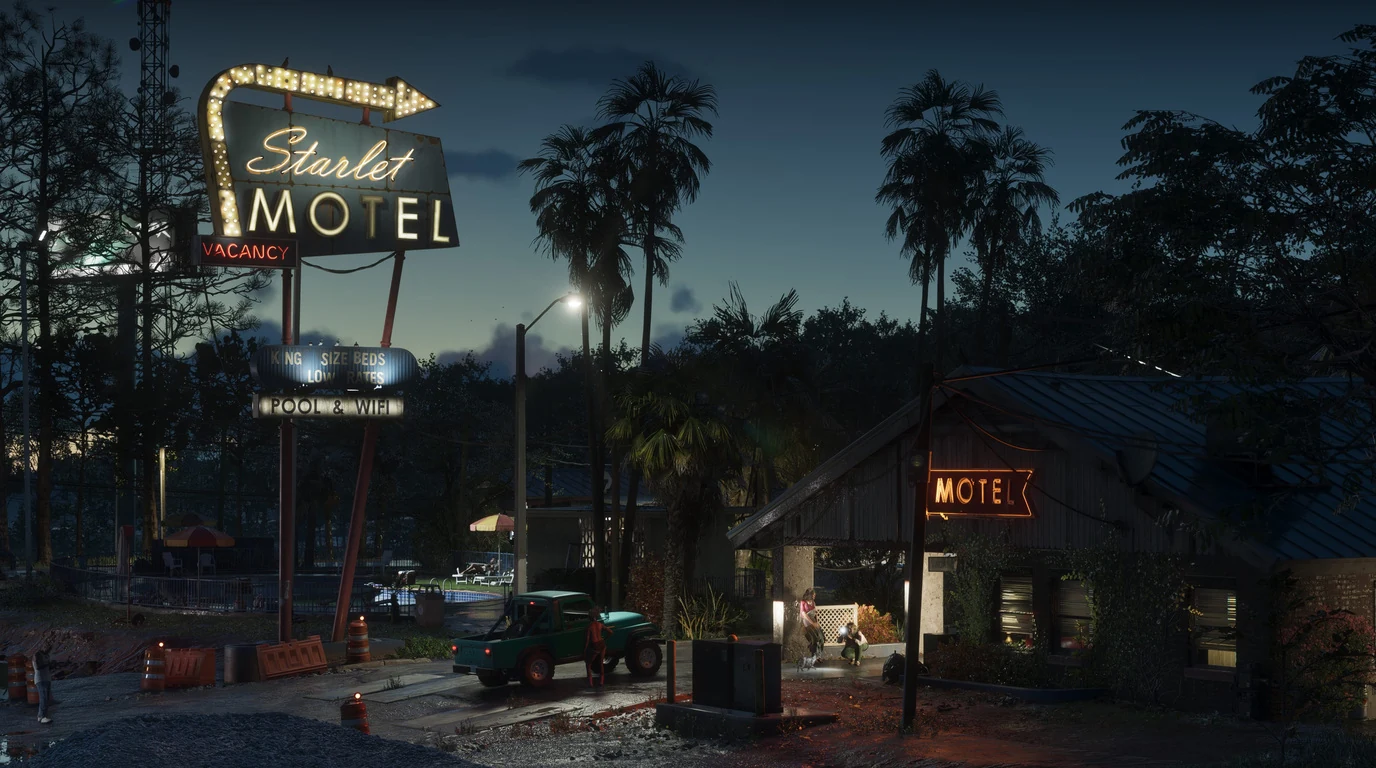
A car in GTA has always been disposable. For the first time there is a reason to look after one.
Fuel, wear, repair
Vehicles are the area where the leaks are most concrete. The clips yield a whole set: a fuel gauge, the need to refuel, a separate engine condition, repairs at a garage and at gas stations — by some descriptions without even getting out. There is also mention of opening the bonnet to look at the engine.
For the series this is new. GTA never counted fuel: a car ran until it was wrecked, and then you took the next one. Here a maintenance loop appears.
The usual caveat holds — this is an early build, and mechanics like these often sit in test versions and get cut when they hurt pacing. But gas stations have always stood on the map. Turning them from scenery into a stop on the route costs the studio very little.
A clone key instead of a broken window
One detail spotted in the footage is a device the write-ups call a clone key: it opens someone else’s car without breaking the glass.
Small, but telling. It means car theft now has options. Fast and loud — break the window, make noise, leave glass on the asphalt. Quiet — use the tool, take longer, leave no witnesses.
Stealing a car in GTA was one button for forty years. A second method turns it into a decision.
It is especially interesting alongside description-based pursuit: broken glass is a trail that identifies the vehicle.
The boot as storage
Another detail from the leaks: gear and loadouts can be stored in the vehicle.
This addresses an old problem — a protagonist carrying ten firearms on his person. The weapon wheel, by the descriptions, is closer to RDR2: you carry a limited number, and the rest lives in the car.
Planning follows. Going on a job means taking what the job needs. Forgetting means going back. Losing the car means losing everything in it. A bag in the boot suddenly matters.
Traffic with a personality
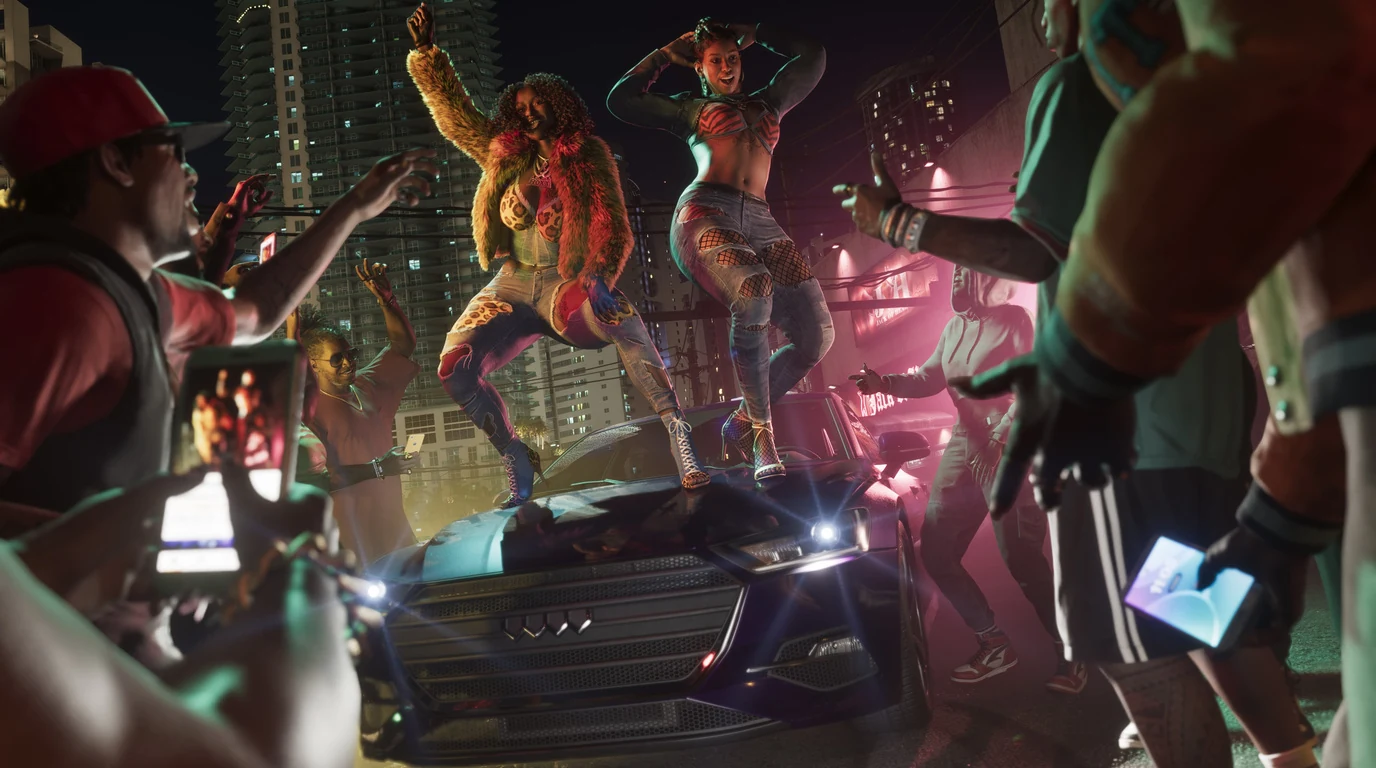
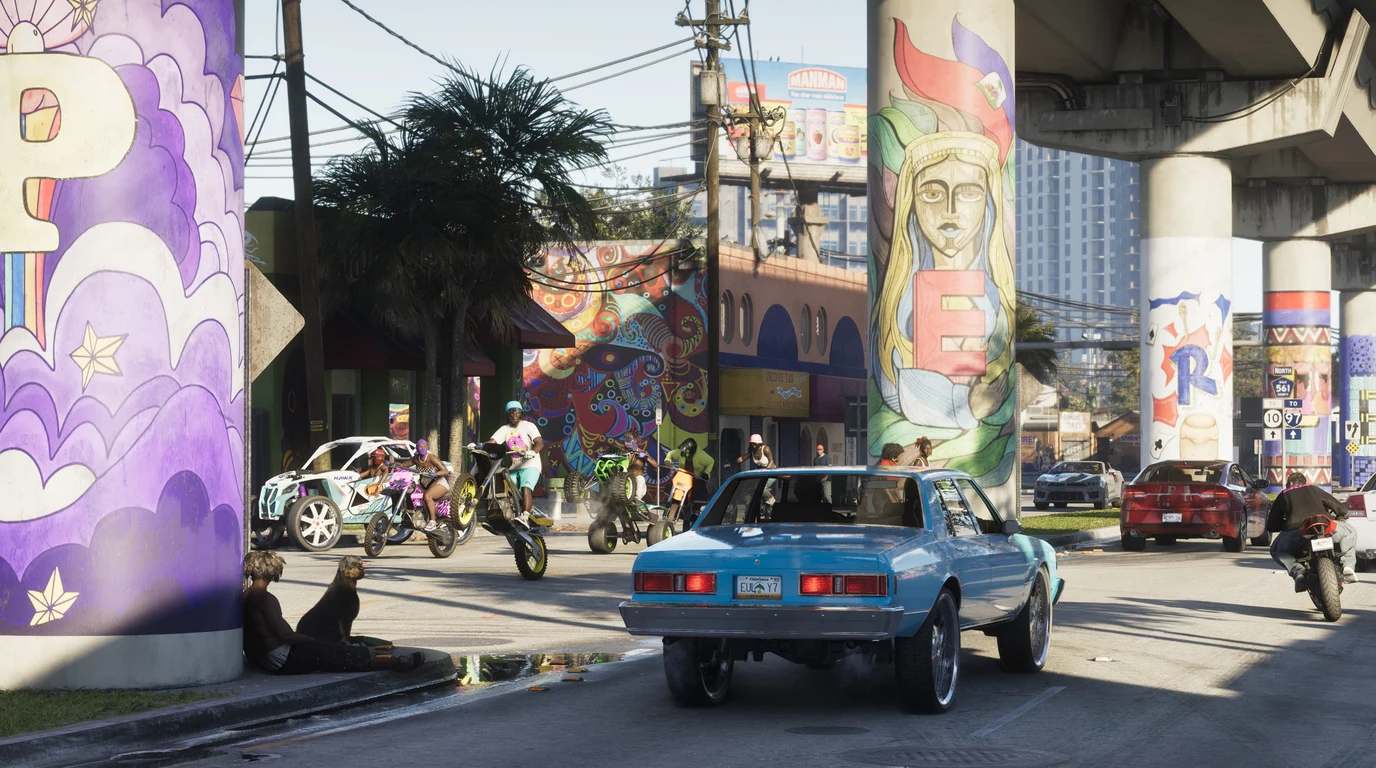
A separate thread is the behaviour of other cars. Write-ups note that NPCs defend their property more actively and use their indicators. The second sounds like a curiosity, but it says a lot: traffic is being simulated rather than played back.
The natural extension is drivers with character. The aggressive one cuts you off and leans on the horn. The cautious one brakes at every junction. The one you clipped might get out and start a conversation, or might follow you for the next mile.
In GTA V traffic was scenery with physics. Here there is a chance of a road that behaves like a road — which changes every drive, not only the chases.
What it changes about chases
Put it all together and the shape of a classic pursuit is rebuilt.
- Fuel as a timer. A long escape runs up against the tank as well as the police.
- Wear as a cost. Every kerb strike degrades the car, and by the end of the chase you are driving a different vehicle.
- Repair as a pause. The garage becomes a place to fix both the car and the description of it.
- Choice of vehicle. A fast sports car against an anonymous sedan is, for the first time, more than taste.
There is a risk too. Refuelling every ten minutes is exactly the kind of realism that kills pacing, and plenty of open worlds have tripped over it. Rockstar understands this better than most, so a compromise is likelier: a large tank, an infrequent need, a noticeable effect only on long drives.
How it is balanced should show at the extended gameplay showcase on 27 August 2026 and on release on 19 November.