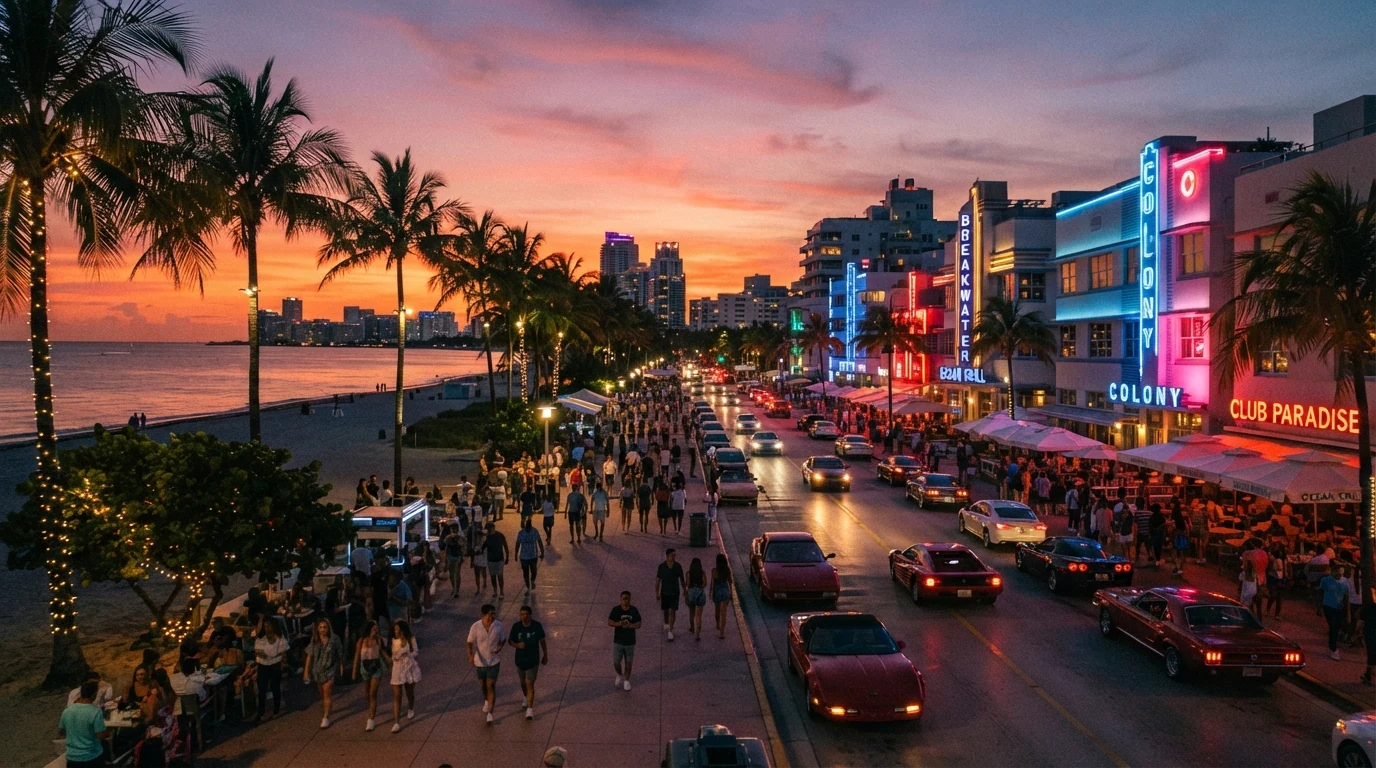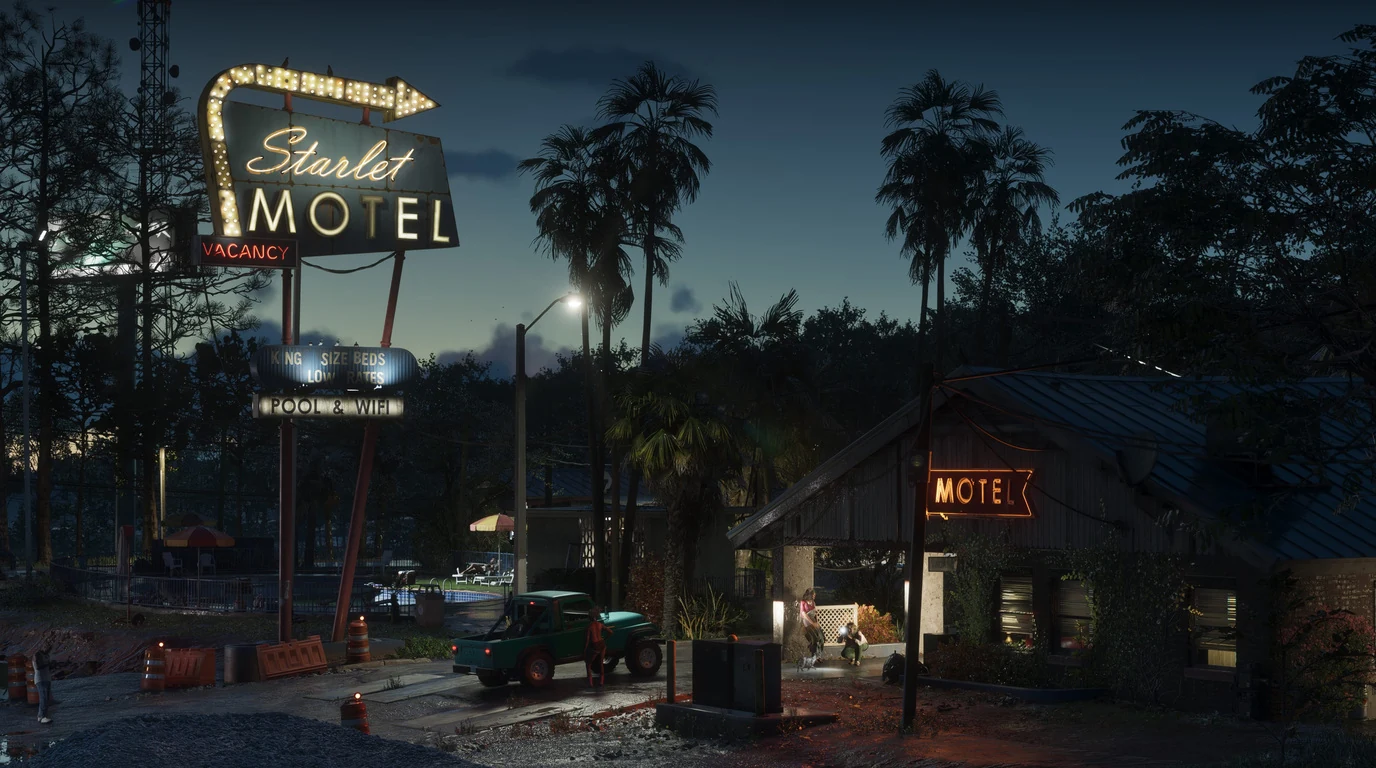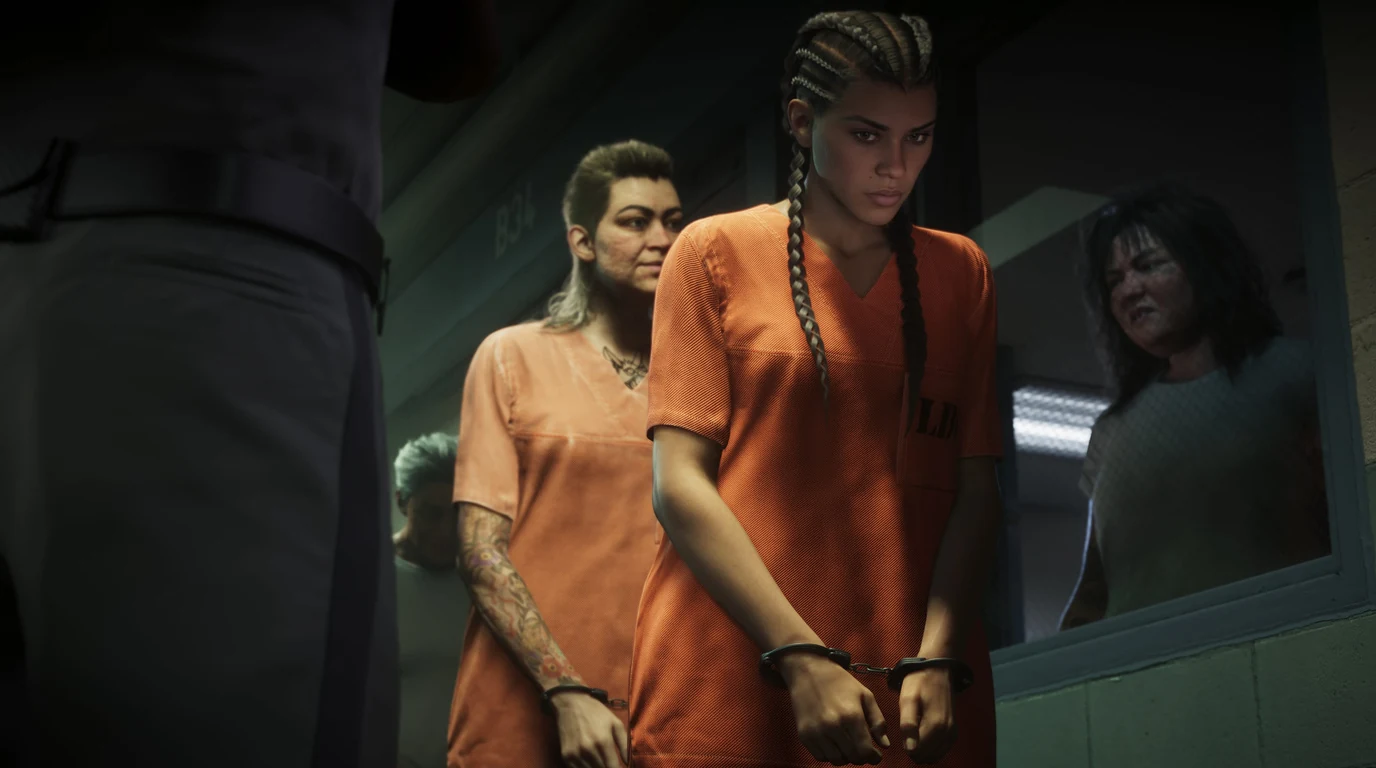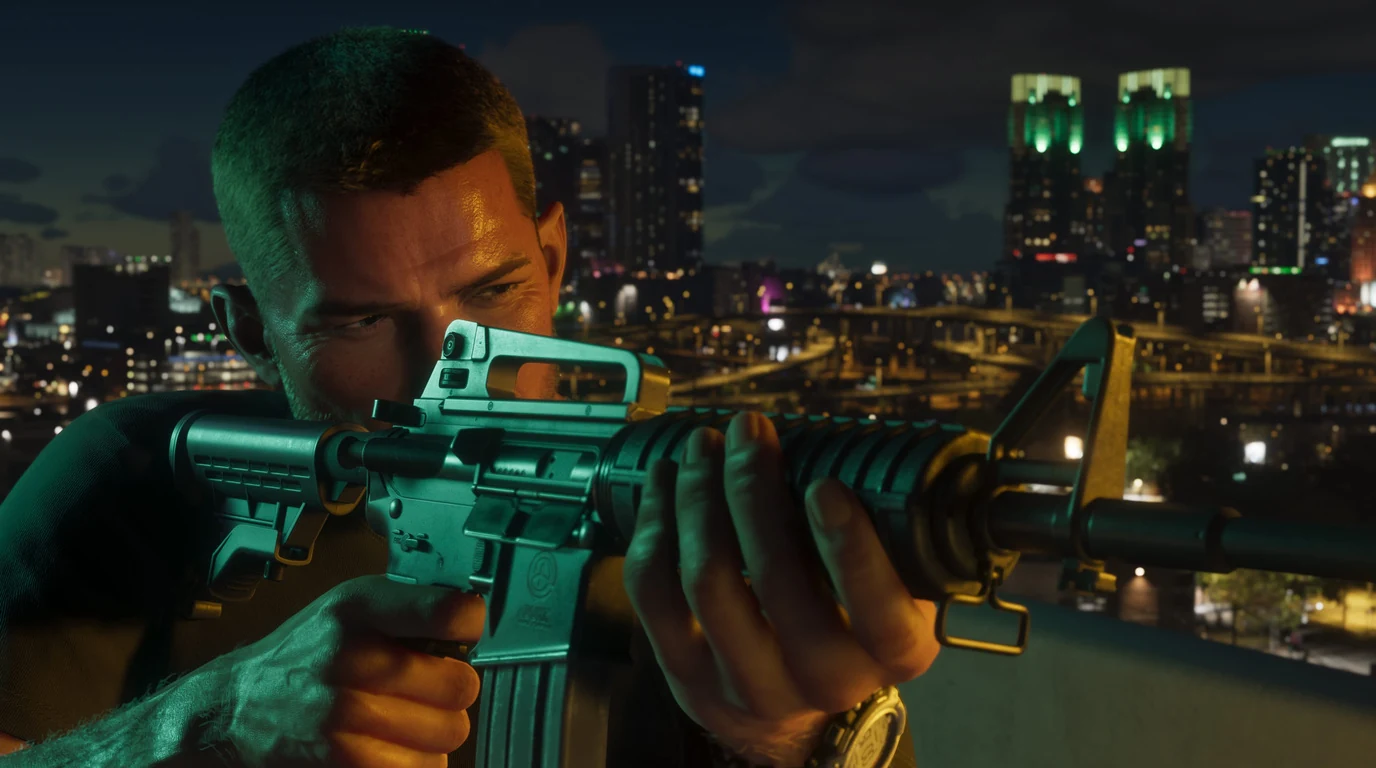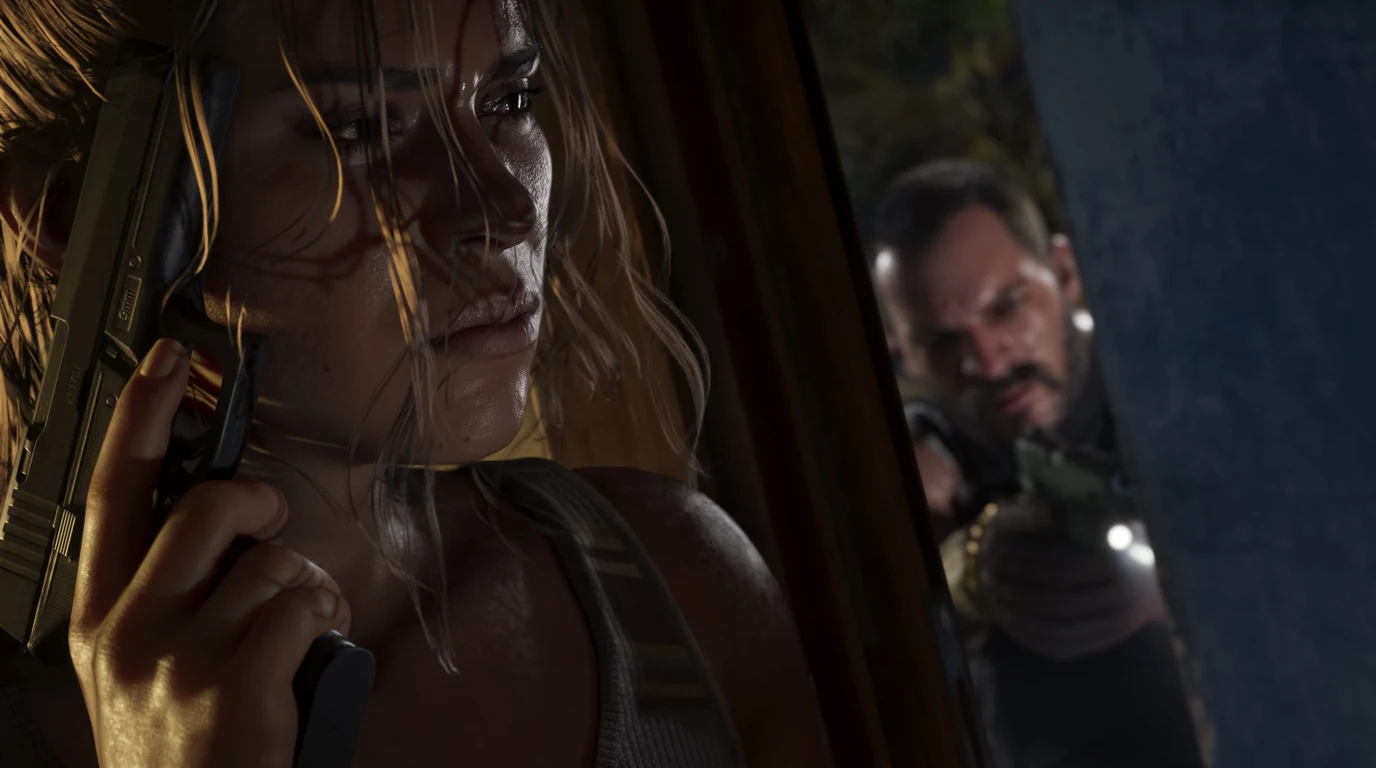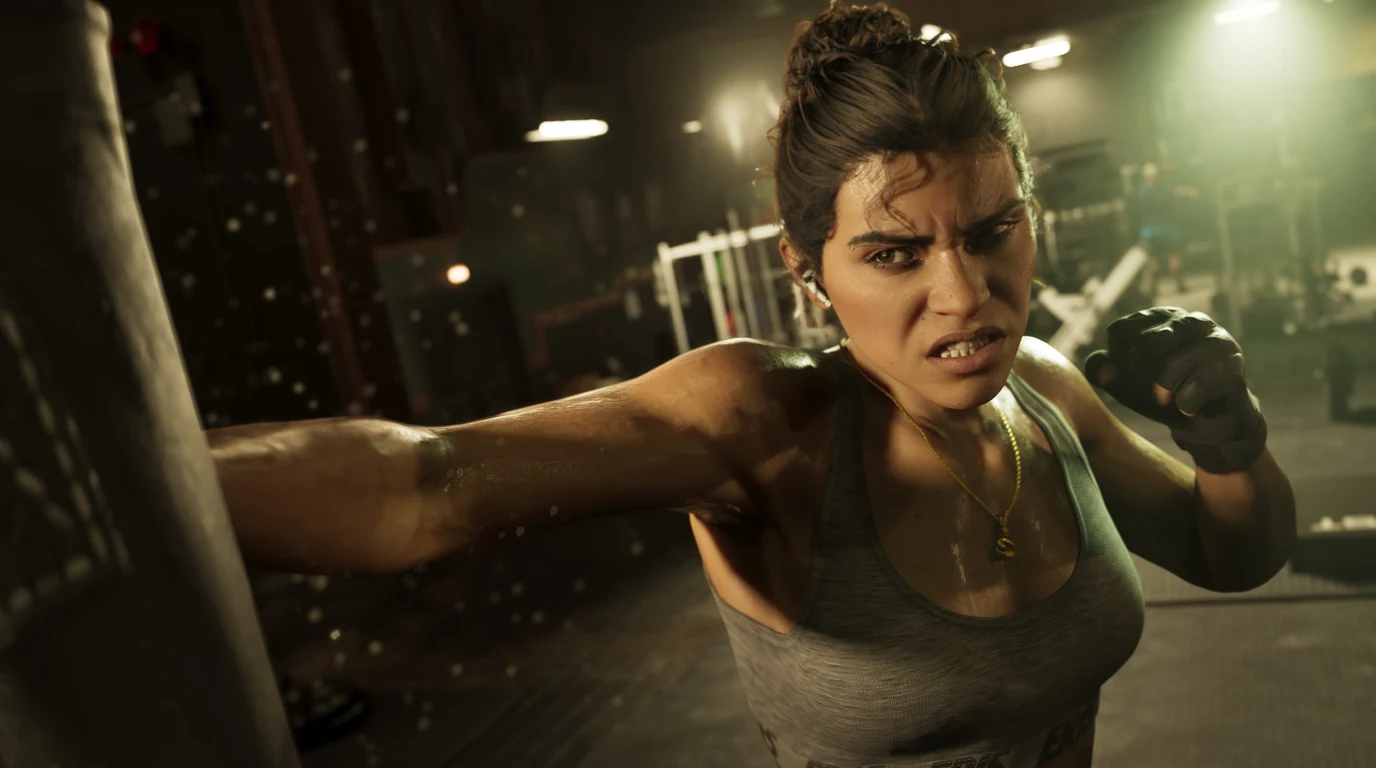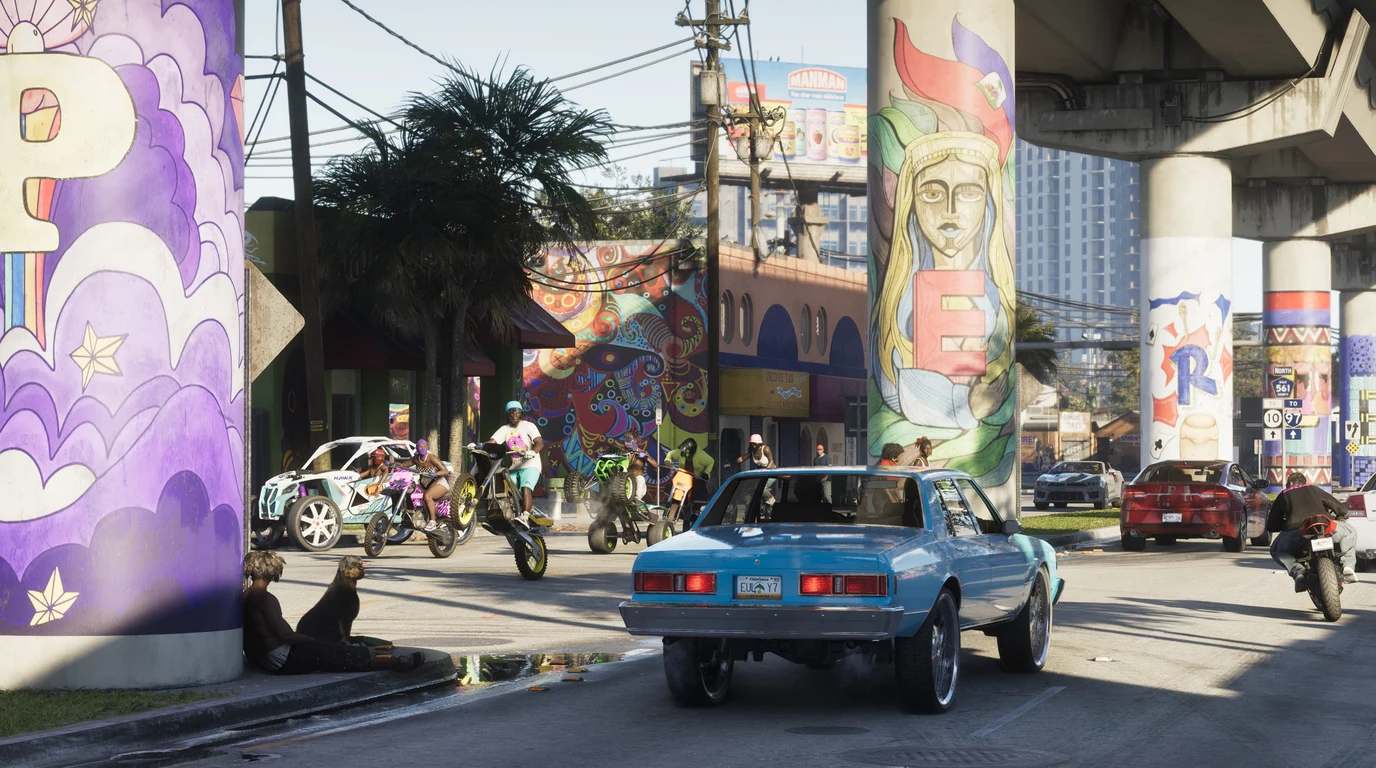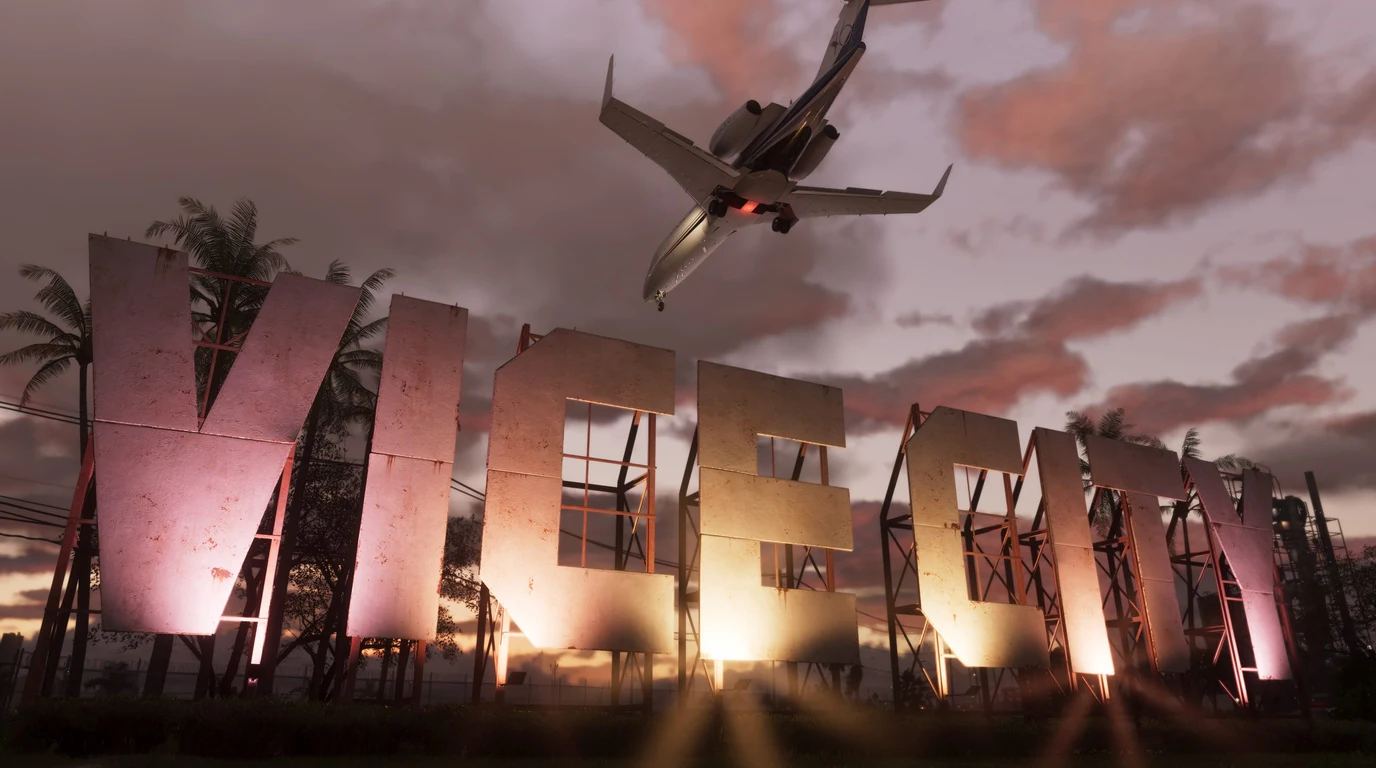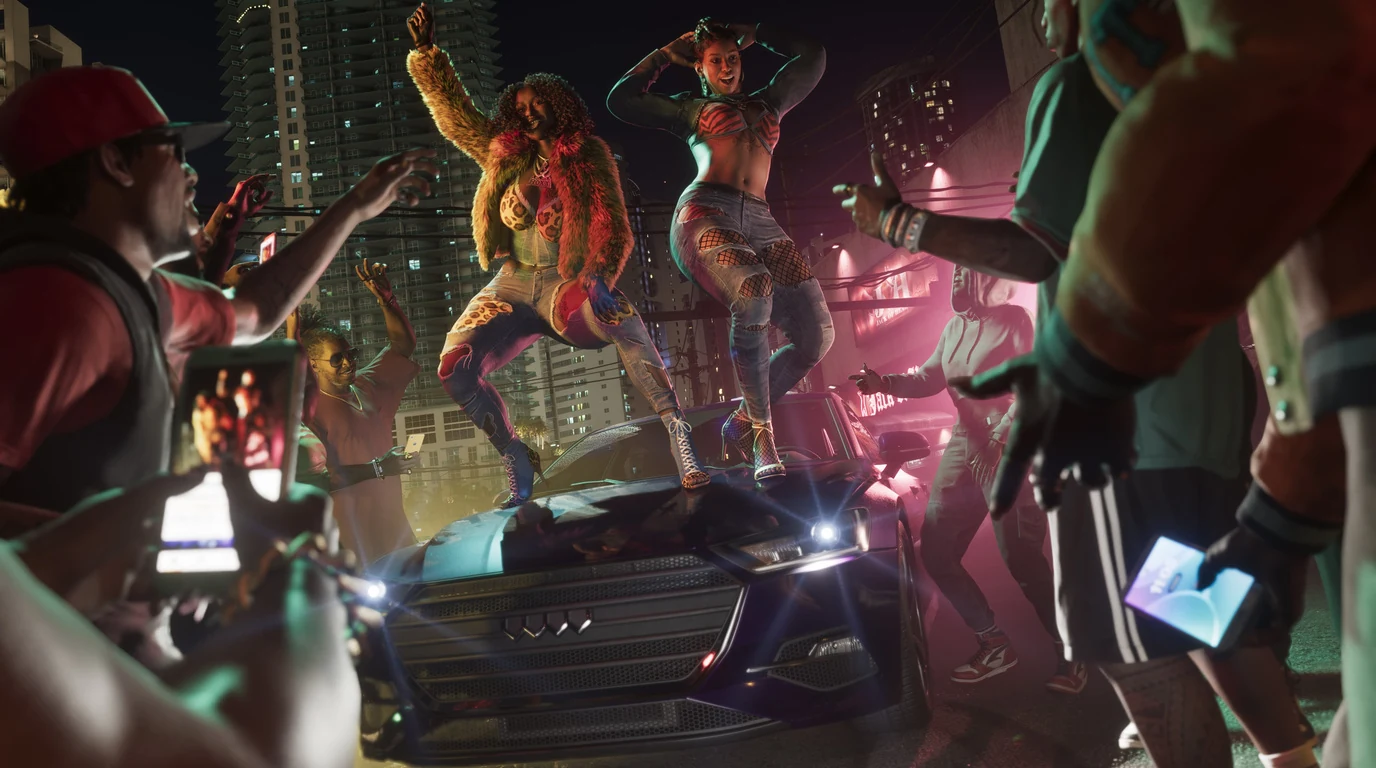
Vice City in the 2020s is a place where every passer-by carries a camera. A game that ignores that is lying about its own decade.
News that talks about you
One detail from the leak analysis gets lost next to the six wanted stars: wanted levels come with news broadcasts. The world does not merely react to a crime — it discusses it.
The idea is not new to the series. Radio in GTA has always commented on events, but it commented on the plot: mission beats rather than your behaviour. The gap between “the news mentioned a mission I completed” and “the news mentioned what I did ten minutes ago” is the whole point.
Rockstar has confirmed none of this, and it is worth repeating that the source is an early build. But such a system sits comfortably on everything else visible in the leaks.
The witness with a phone
Now the reasoned guesswork. If police pursue by description and bystanders behave with some sense, the next obvious element is the witness who films.
The scenario: you shoot on a busy street. No patrol nearby, no stars. But three people raised their phones. A minute later the clip is on a local network, and the search starts from footage that shows your face.
The most modern threat in a game about the present is not the police officer. It is the person holding a camera.
The response changes how you play. Not “drive faster” but “work cleaner”: a mask, after dark, no audience. And a new kind of decision appears — chase down whoever filmed you, or leave before it matters.
Social media as a mechanic
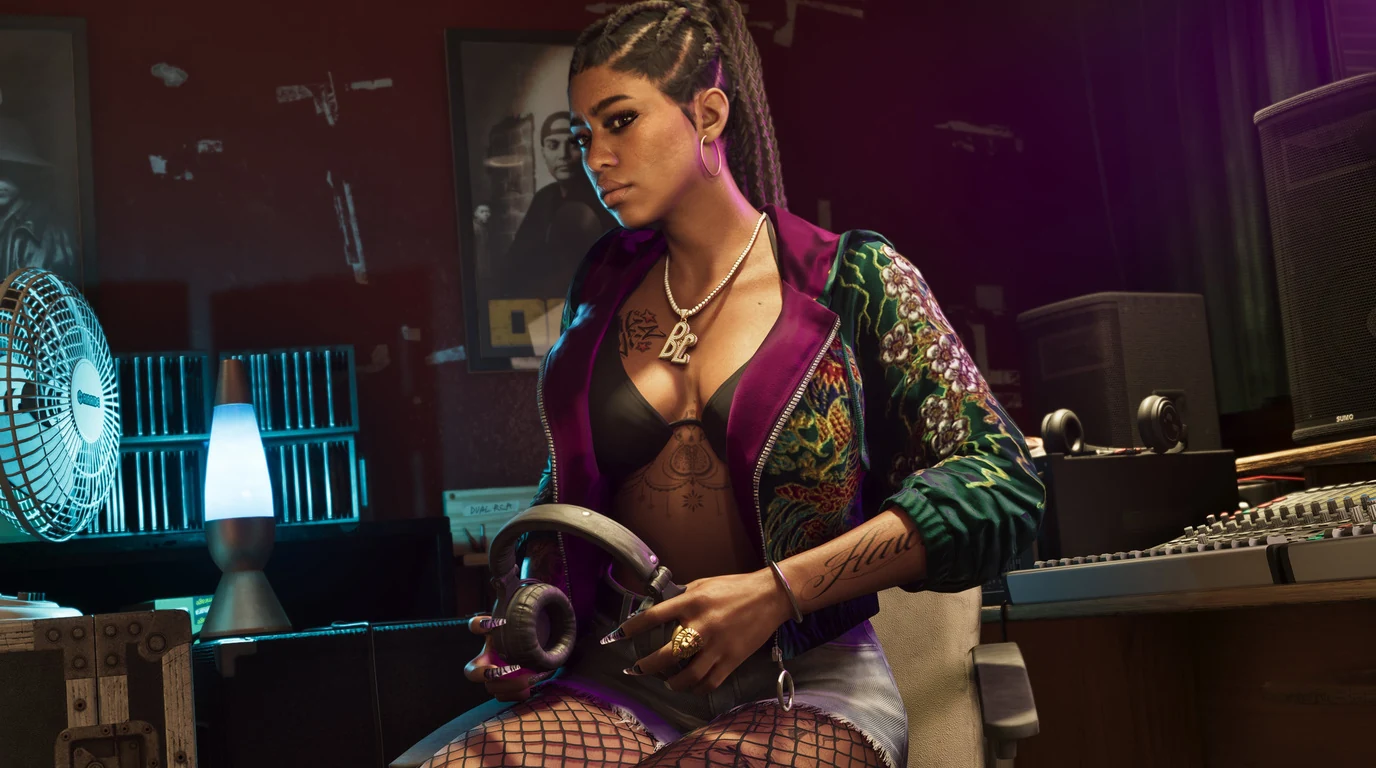
In GTA V, in-game social networks were a joke: sites you could open on the phone and read. The logical next step is to make a system of them.
How it might work:
- Followers as currency. Notoriety opens doors that money does not.
- Hype with a downside. The louder the fame, the heavier the police attention.
- Clips as contracts. A distinct kind of side job: not to steal something but to film it, and present it well.
- Reputation online and offline. Being a star on a network and nobody on the street is a workable conflict.
The appeal is that this is ideal material for satire, and satire is what GTA exists for. The Florida influencer economy is a subject Rockstar physically cannot walk past.
Radio that listens
Radio in GTA is not background but half the experience of driving. The leaks mention the return of stations with familiar names, including V-Rock and Emotion 98.3 — direct callbacks to Vice City in 2002.
The idea that suggests itself is stations that react to the player. Not vague talk of unrest in the city but specifics: the make of car, the district, the hour. Hosts arguing about what happened, listeners calling in, one of them joking about you and another furious.
Technically this is less hard than it sounds: a bank of recorded fragments assembled from event parameters. Expensive to record, cheap in code. And the effect is out of proportion to the cost — a world that noticed you.
Where the risk sits
The main danger is turning fame into another bar to grind.
The moment notoriety becomes a resource with a number attached, it stops being part of the world and becomes a task. GTA V already stepped on that rake with businesses: the mechanic was there, the feeling was not.
It only works on one condition — that the reaction of the world is legible without an interface. A passer-by recognises you. A radio host uses your nickname. A shopkeeper gets nervous. No indicators at all, and yet perfectly clear.
How far Rockstar went in that direction should show at the extended gameplay showcase on 27 August 2026, and fully on release on 19 November.