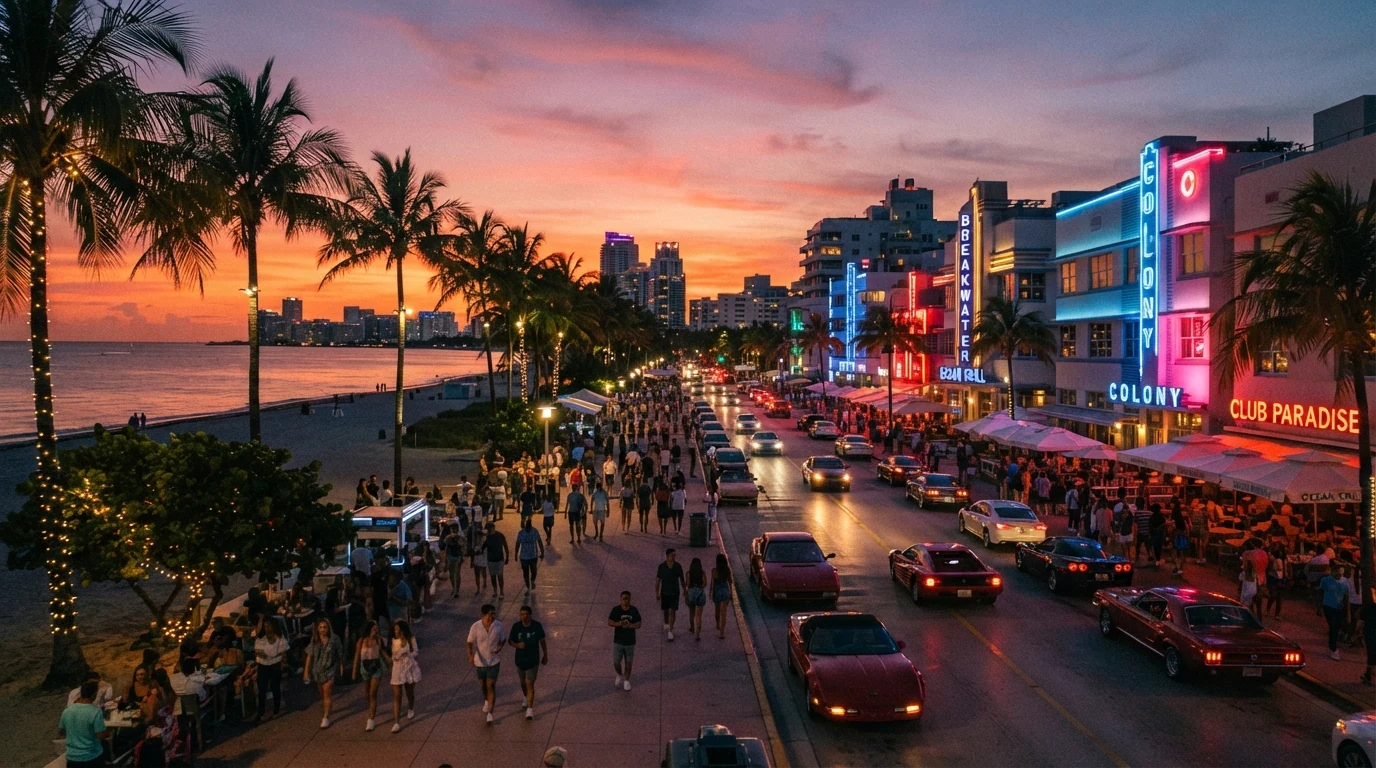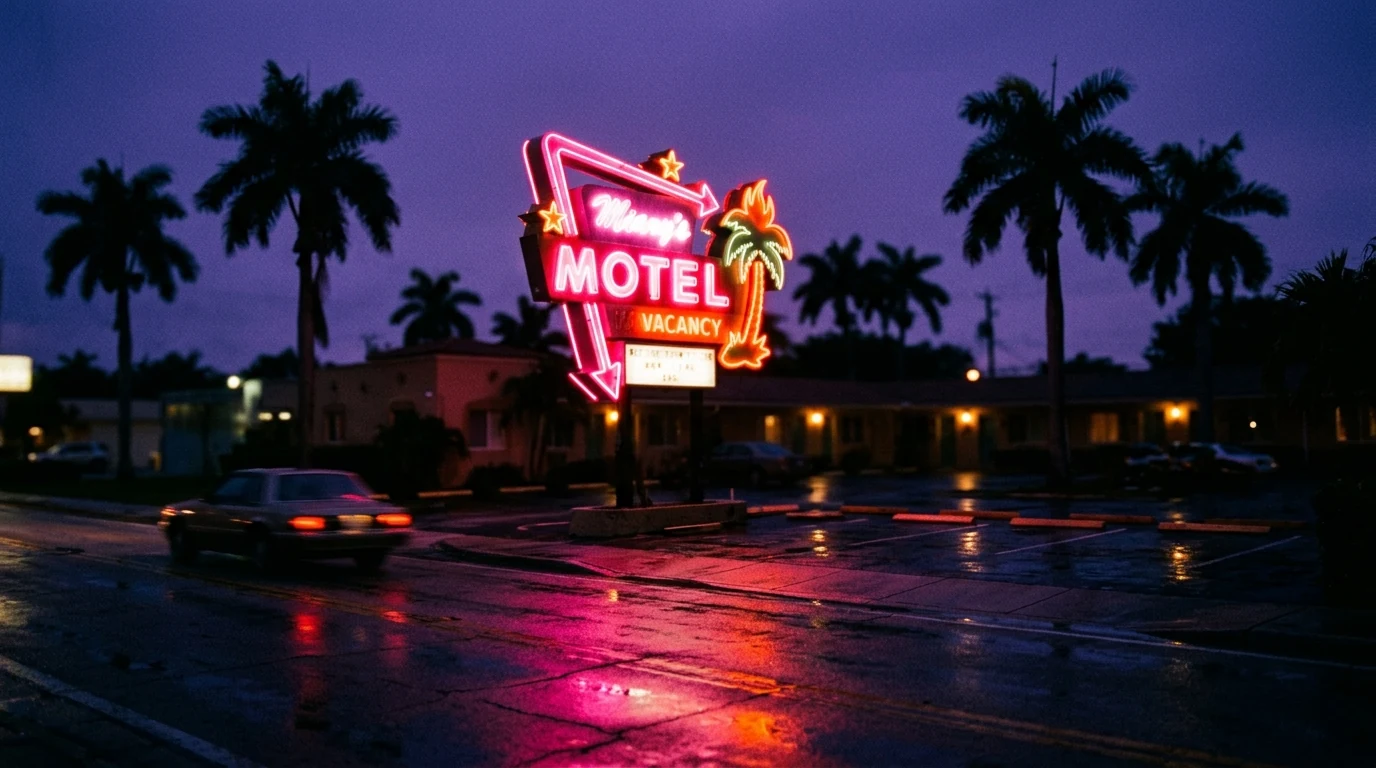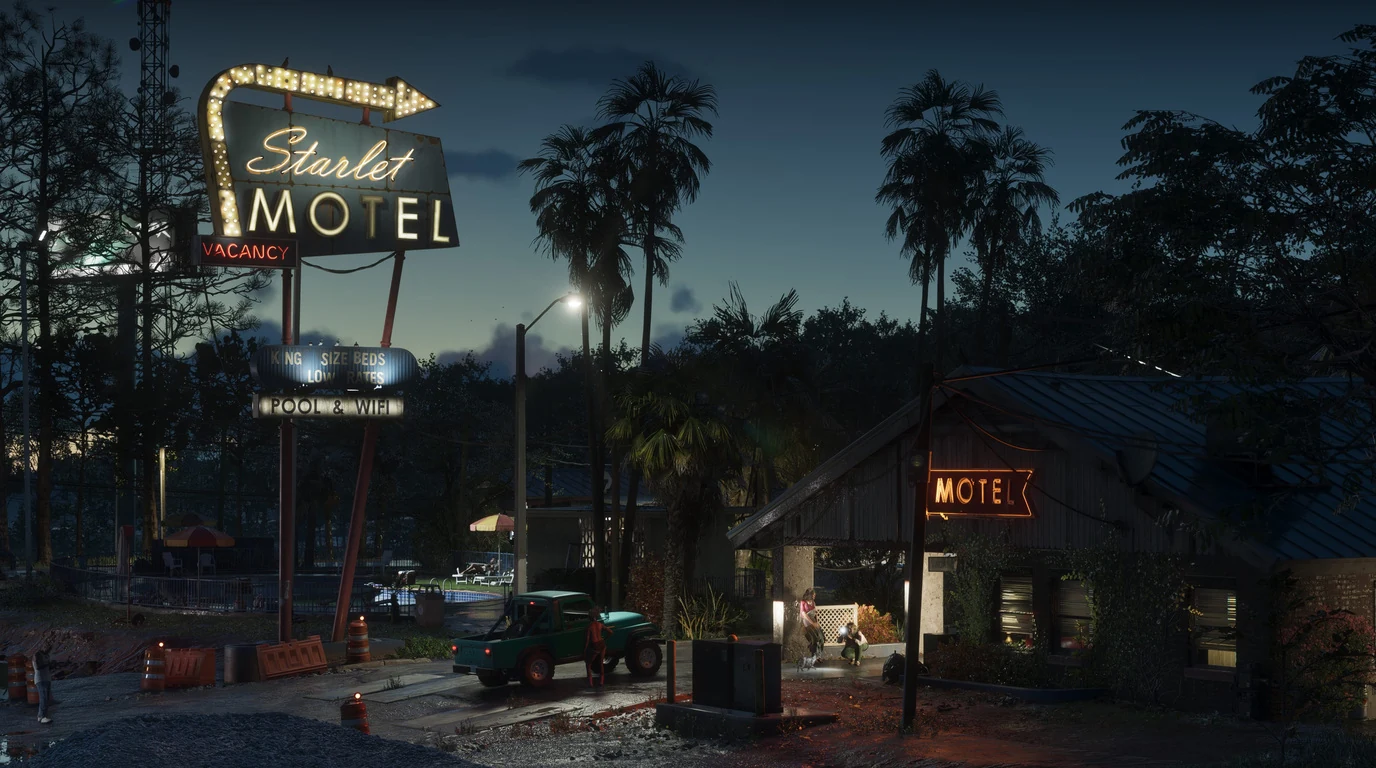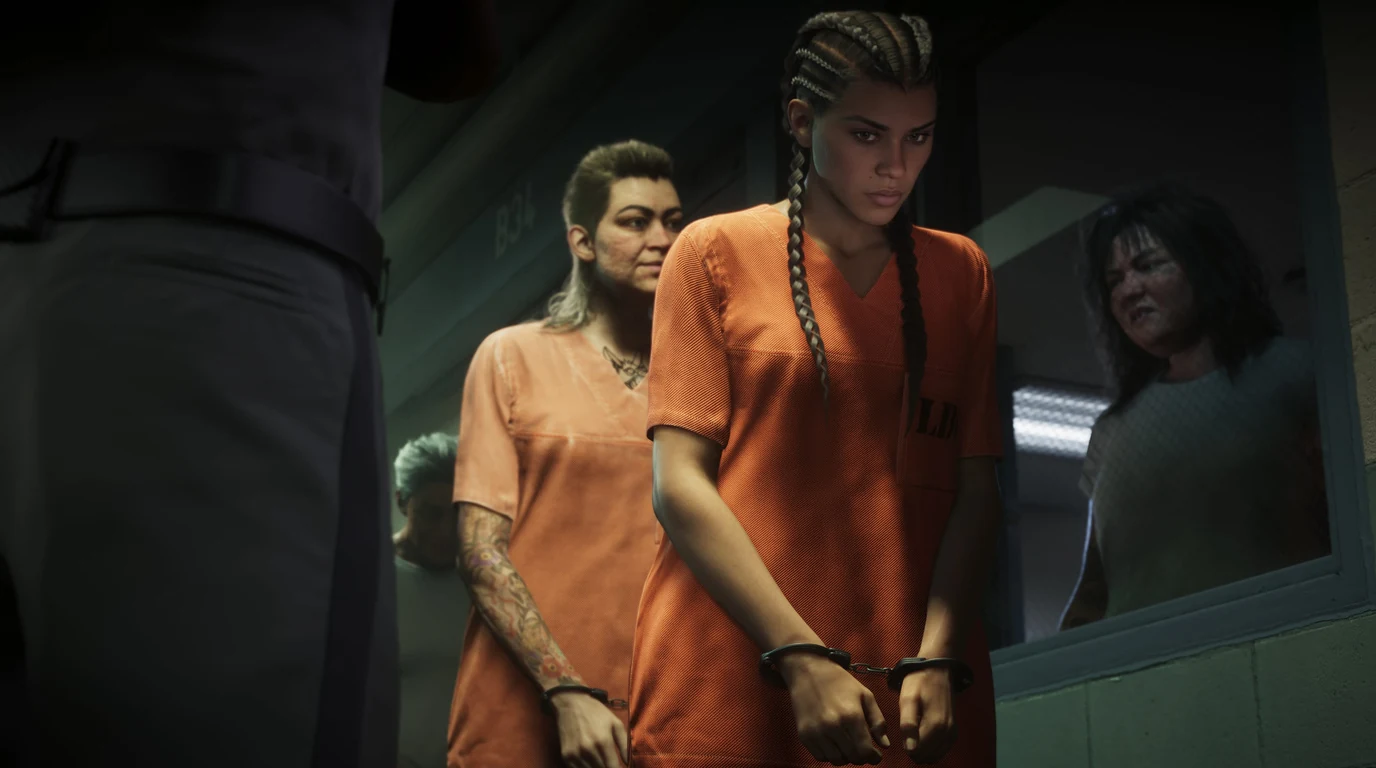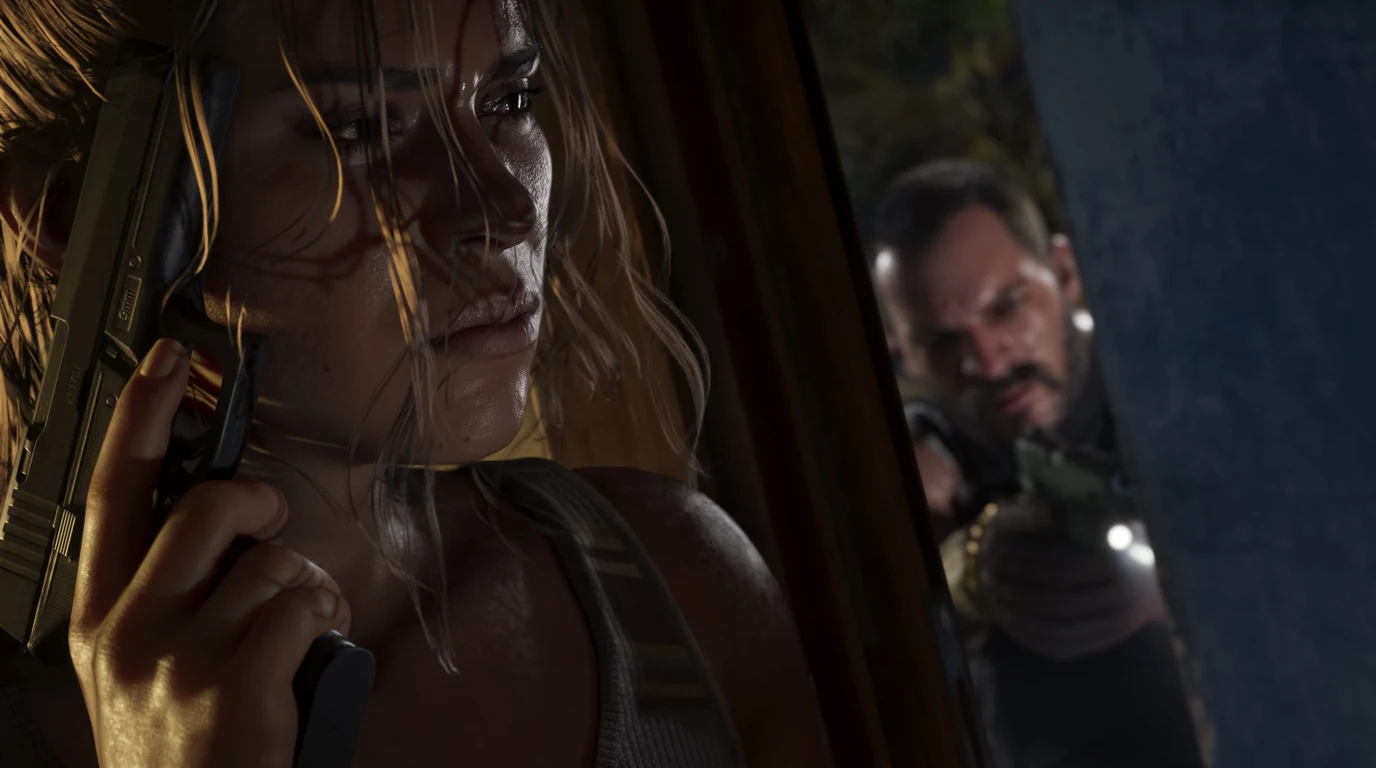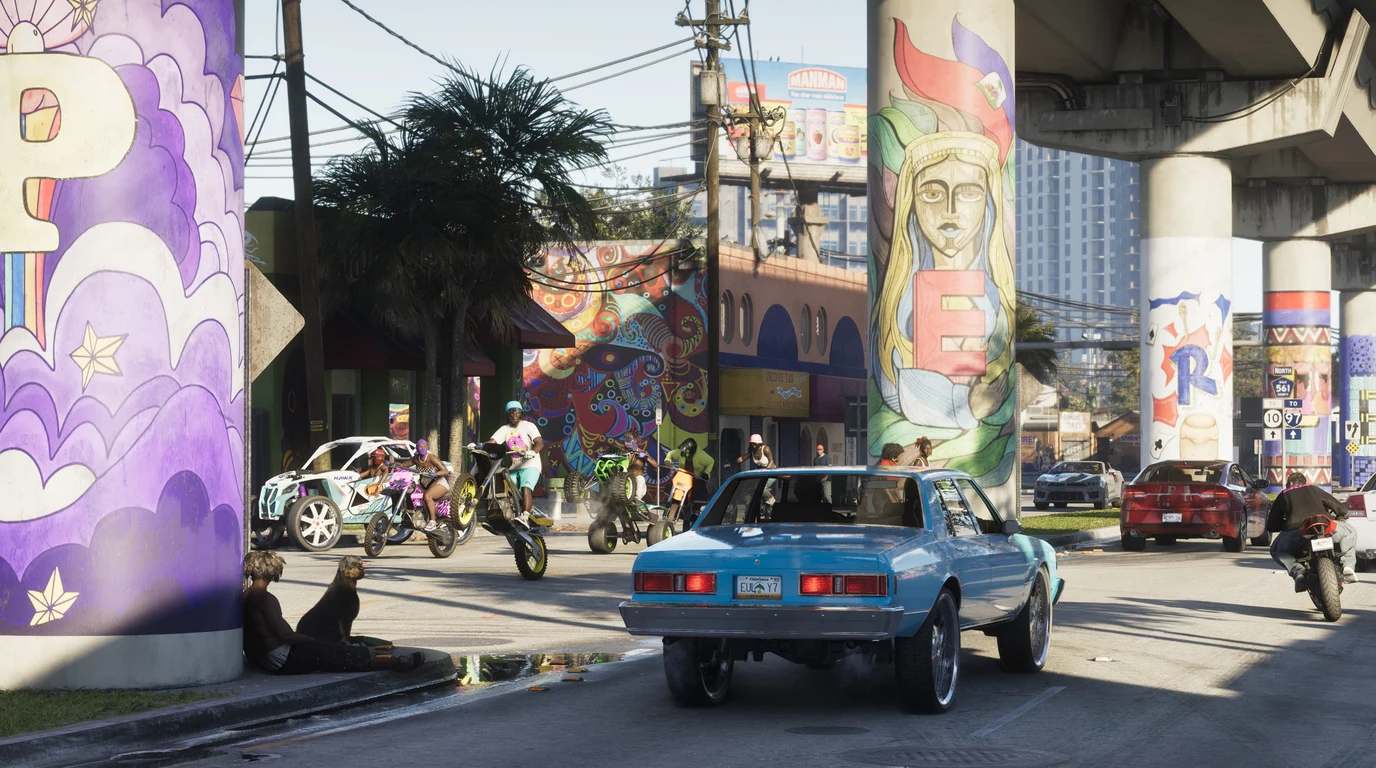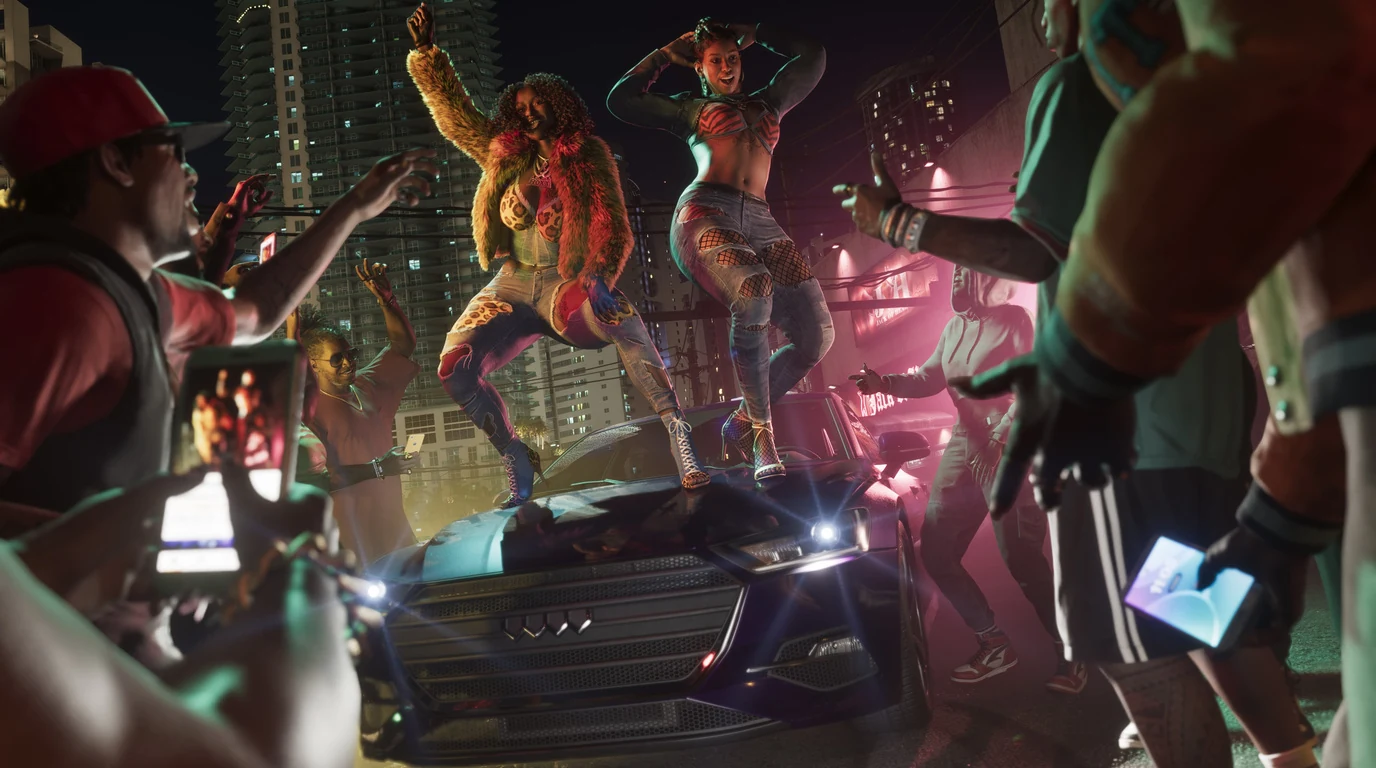
For the first time in the series, money in GTA looks like an object rather than a number in the corner of the screen.
What the leaks show
Three things come out of the August clips where money is concerned. Stores and gas stations can be robbed. Bills are not credited automatically — you collect them by hand. And there is a ceiling on how much cash the character carries at once.
Separately, people noticed an interface with two balances: one that looks like personal funds for Jason, another that looks shared, a household account. What it means, nobody knows — anything from simple split wallets to a full economy for the pair.
This is an early build. But the direction reads clearly: money stops being pure abstraction.
Cash as a physical thing
The difference is subtler than it sounds. In GTA V, robbing a store was an animation with an outcome: walk in, point a gun, receive a sum. Here, time appears between the action and the result — the seconds it takes to empty the register.
Those seconds are the mechanic. While you gather bills, an alarm is ticking, a patrol is approaching, and someone by the door is reaching for a phone. A decision exists that never did before: take everything and risk it, or leave with half.
A good robbery mechanic is not the number at the end. It is the question of whether to stay ten more seconds.
The carry limit pushes the same way. If you cannot take it all, a big score stops being a one-person job — you need a bag, a car outside, a second pair of hands.
Robbery without a mission
Now the speculation, though it is grounded. If any location can be taken by hand, the obvious system is one where robbery stops being a mission at all.
How that might look: every target — store, warehouse, jeweller, armoured van — has several approaches. Straight in, on a tip, through someone on the inside. Scouting yields information: schedules, guards, where the safe sits. And none of it is framed by a cutscene; you simply decide whether you are ready.
GTA V had brilliant heists, but there were exactly six of them and each ran on rails. The RDR2 model — where you could rob a train yourself, any time, with no briefing — is much closer to what the leaked systems imply.
Where the money goes
The old series problem shows up near the end of every playthrough: there is nothing to spend money on. By the midpoint the balance grows faster than the shopping list, and the motivation to steal disappears.
Cash as an object opens an exit — make money a problem rather than a reward:
- Dirty bills. Cash from a robbery is not accepted everywhere; you cannot make a large purchase with it.
- Laundering through a business. A car wash, a club, a laundromat — slow, with a cut taken, but the money comes out clean.
- Bank attention. A balance growing too fast attracts not the police but the tax office, which is a far more irritating kind of trouble.
- Storage. Cash has to sit somewhere, and a stash can be lost.
That turns the final third of the game from “I have everything” into “I have a problem to solve” — exactly what GTA has always lacked.
Fences and connections
The last layer is people. Looting is in the leaks: bodies give up ammunition, money and valuables. Which means there are goods that need moving.
Hence the idea of a network of fences with personalities. One takes everything but pays badly. One pays well but deals only with people he knows. One will sell you out if it suits him. And if reputation exists in the game, these connections should respond to it: give one of them up, and the rest close their doors.
Such a network solves two problems at once. It gives loot a purpose, and it turns the map into a social structure rather than a set of markers.
How far Rockstar went in that direction should show at the extended gameplay showcase on 27 August 2026. The full picture arrives only on 19 November.