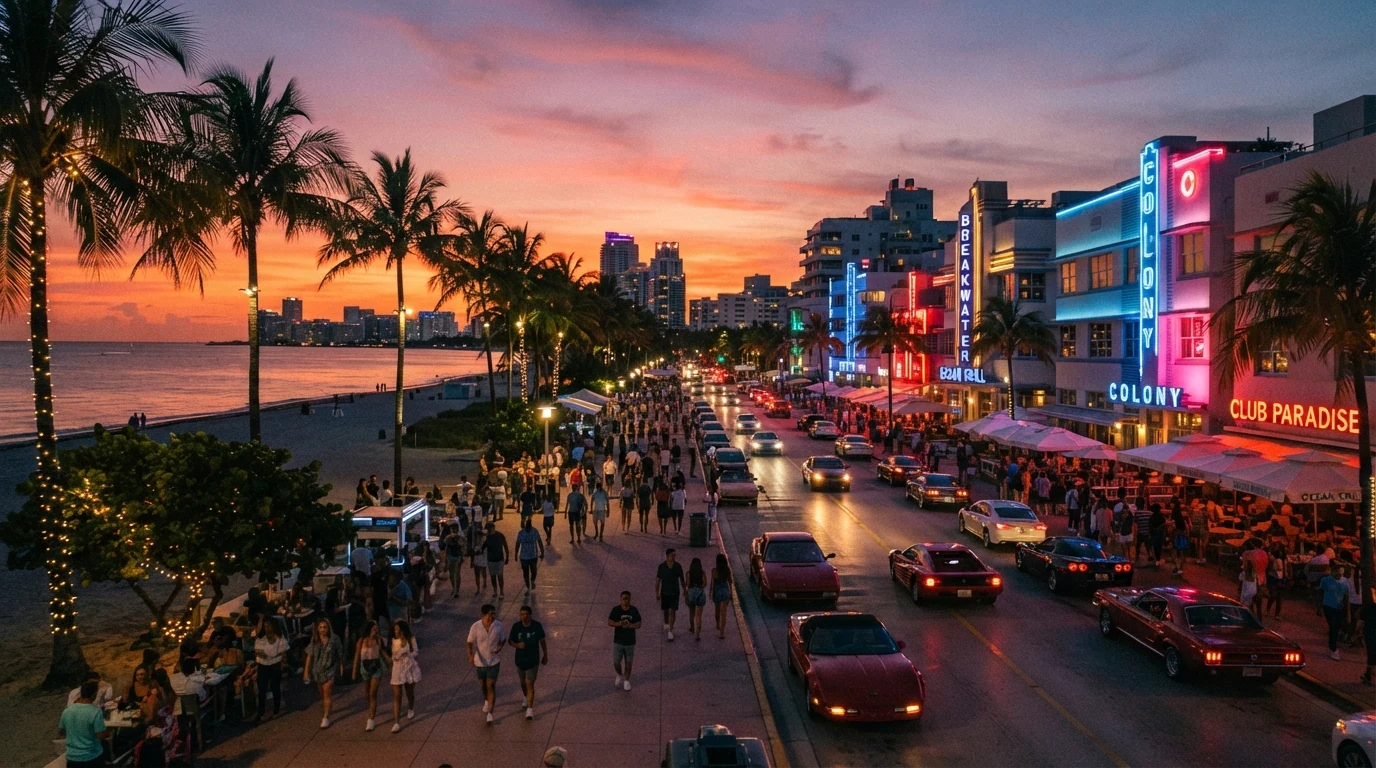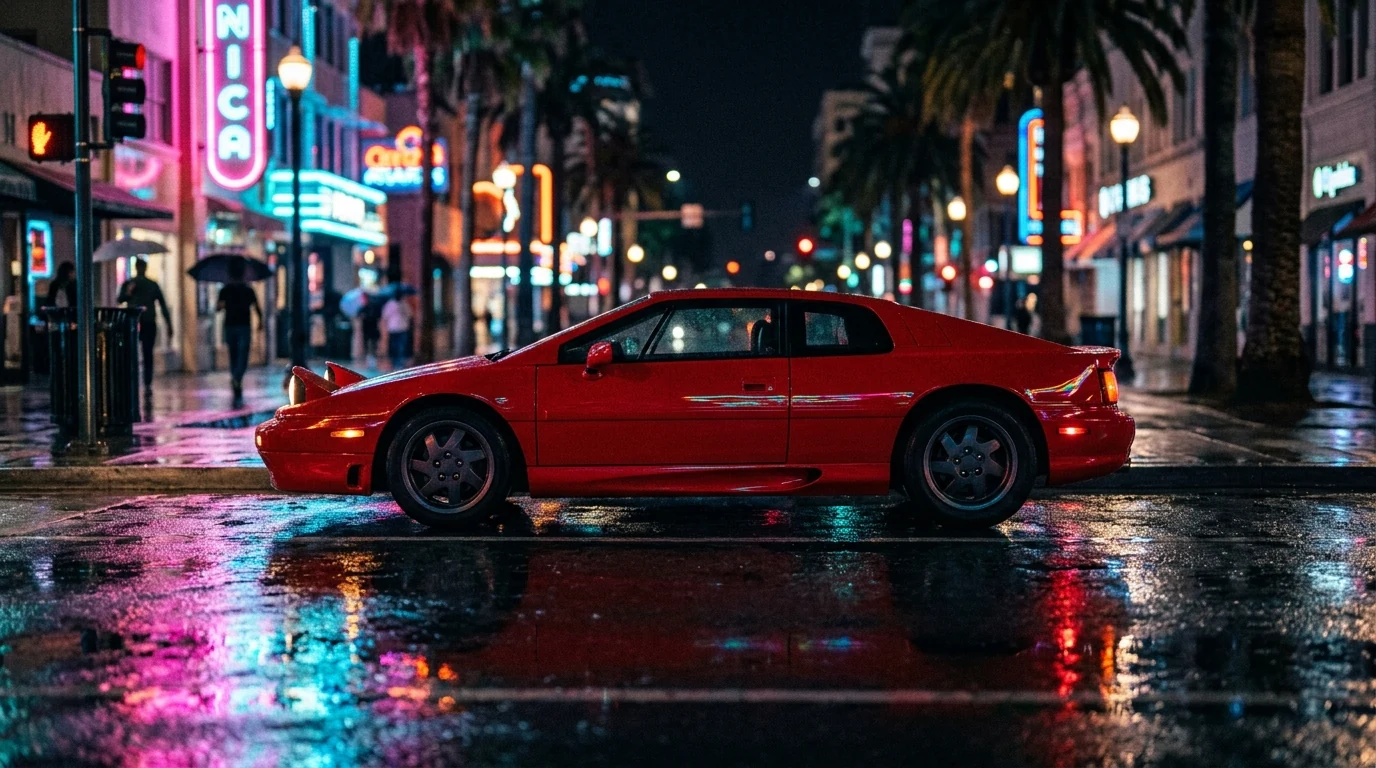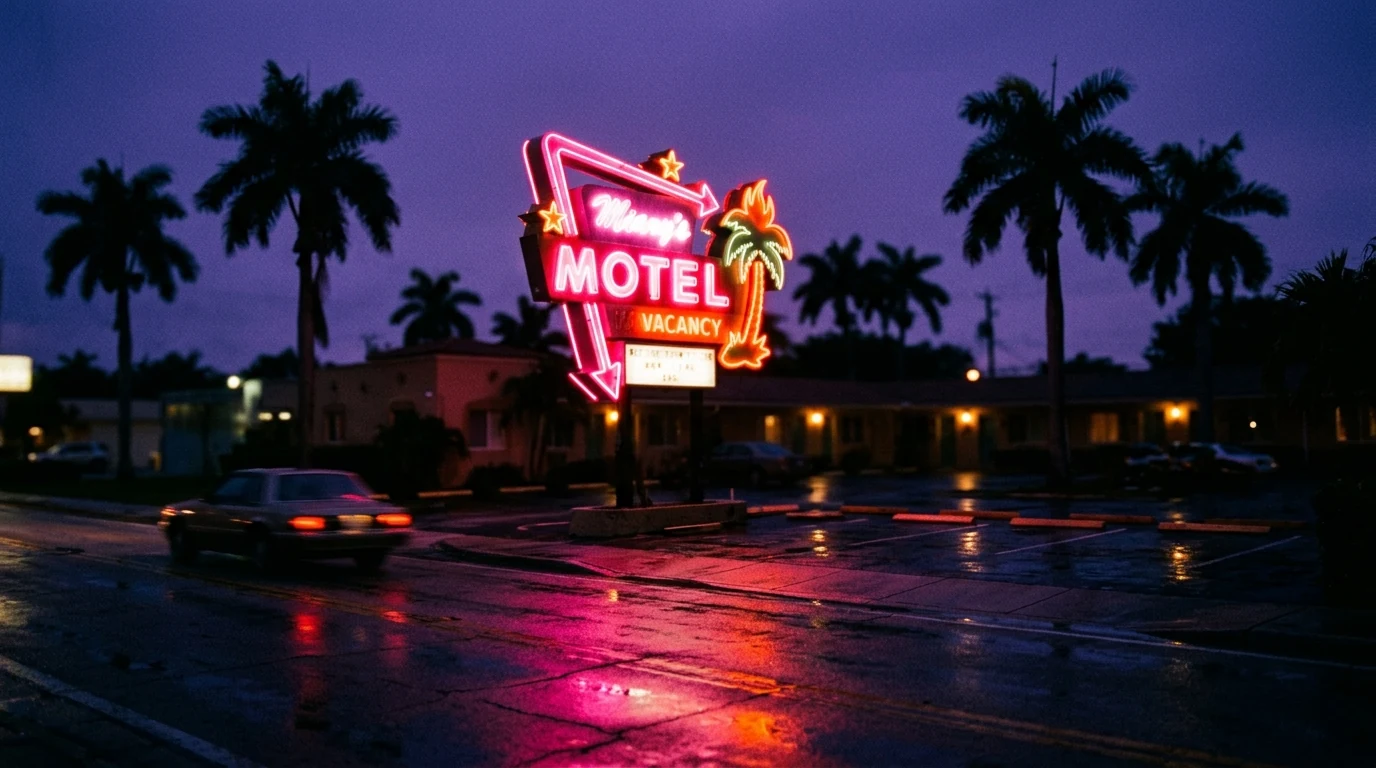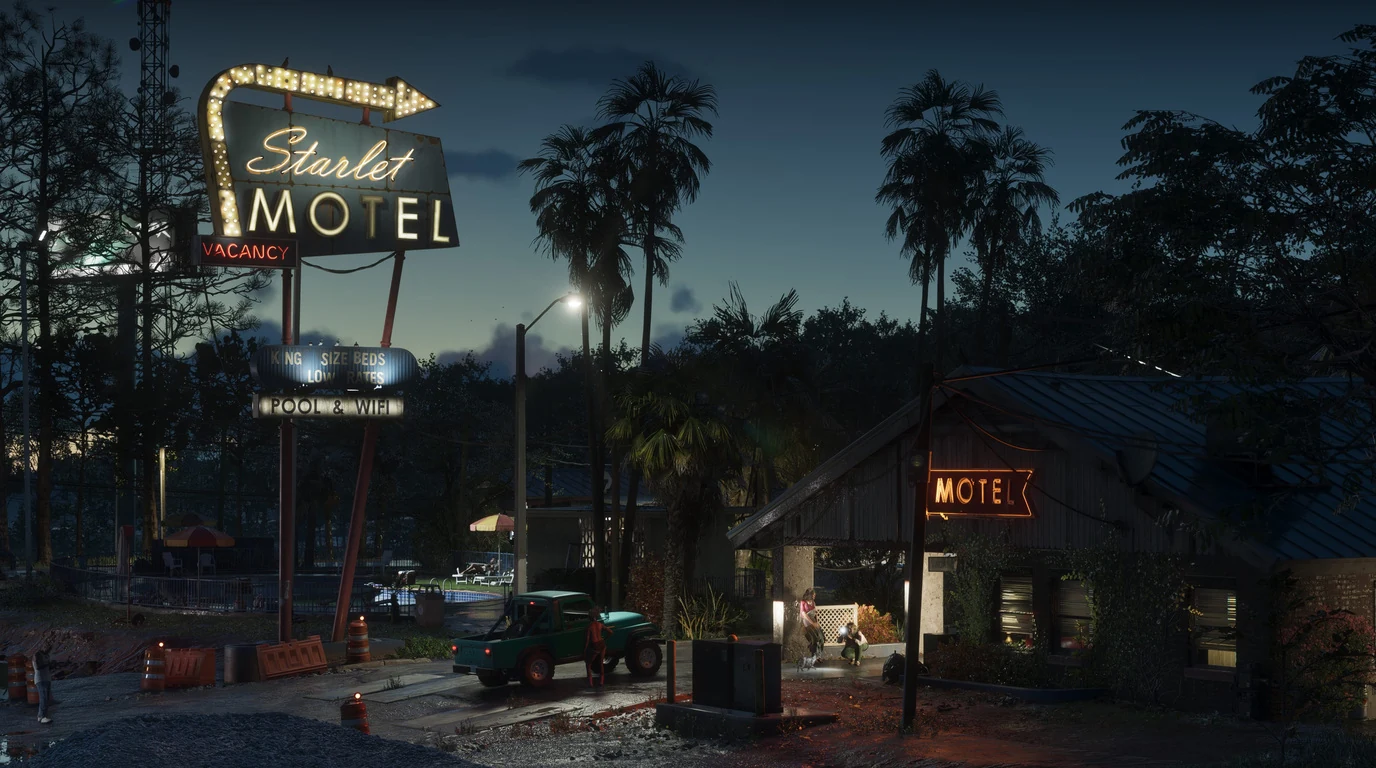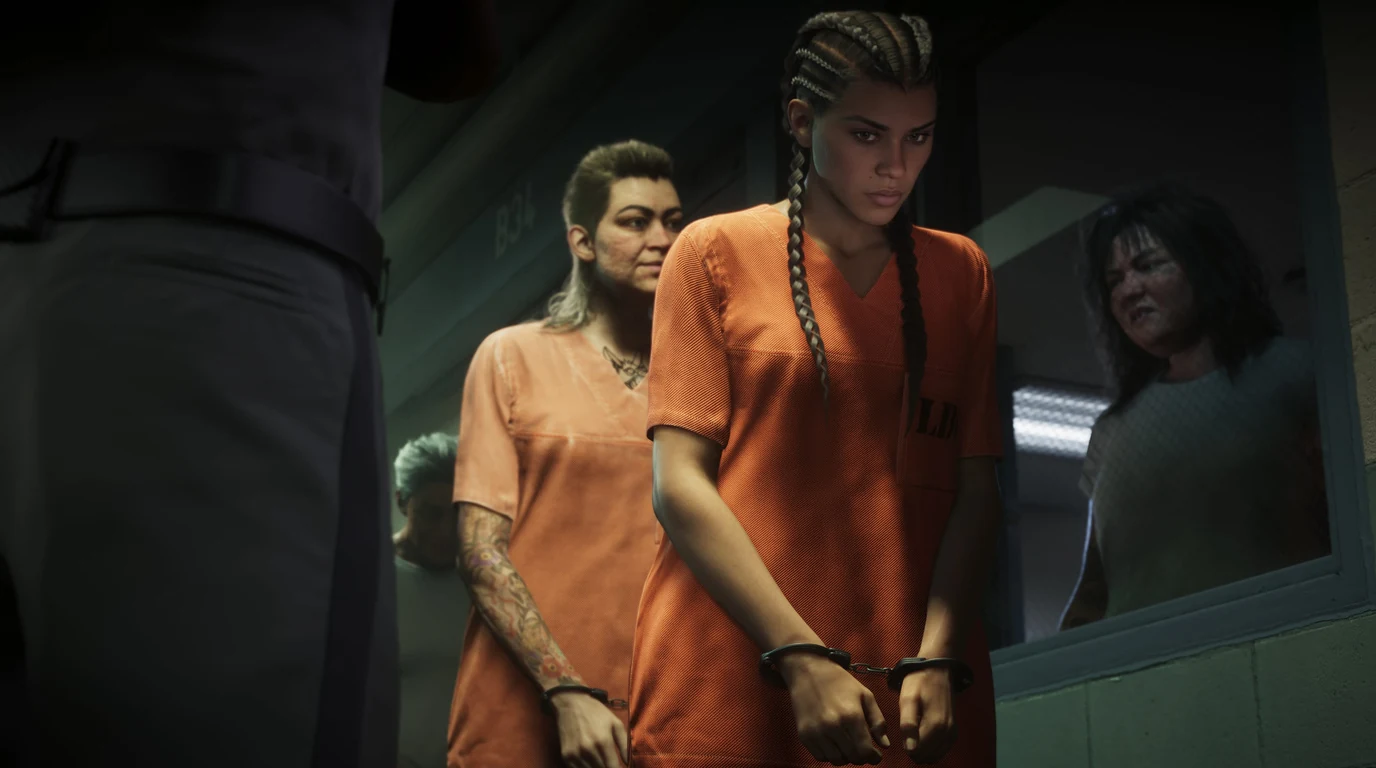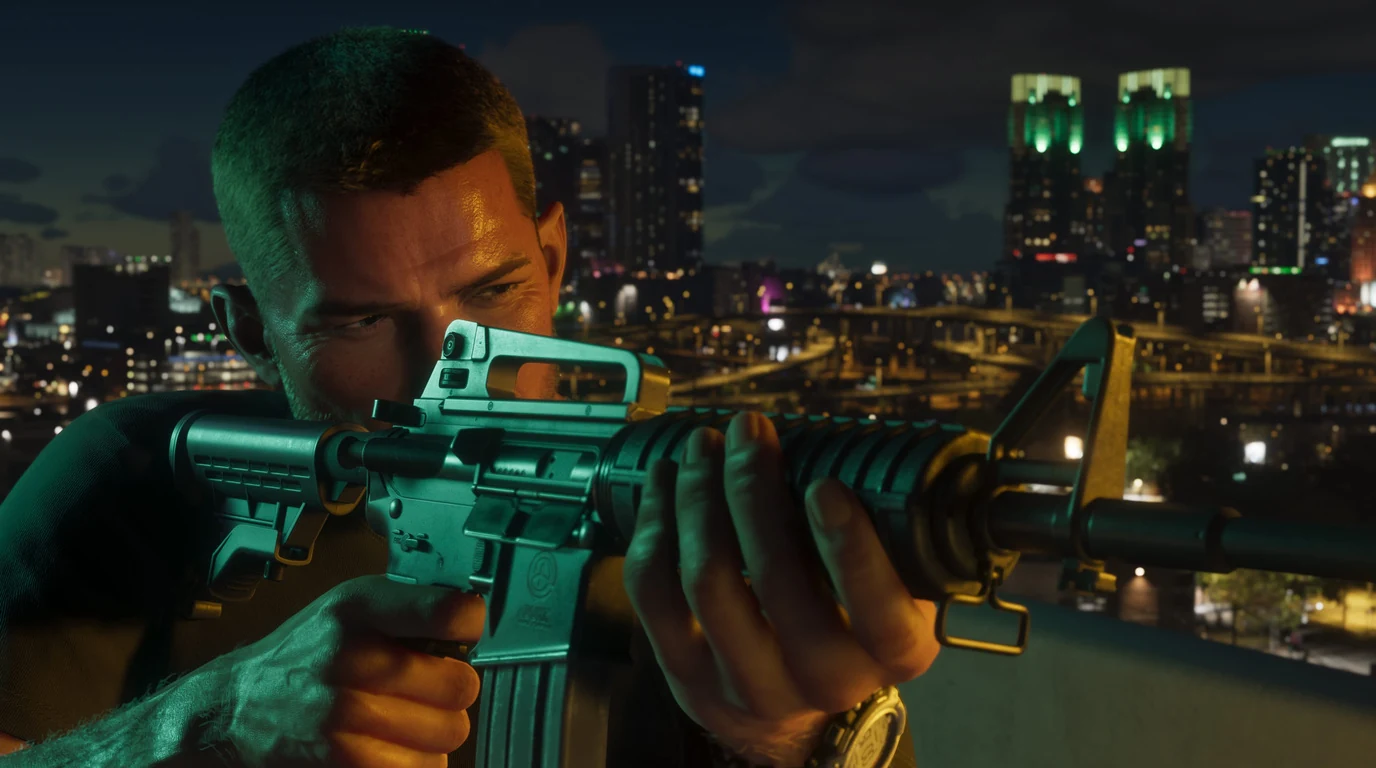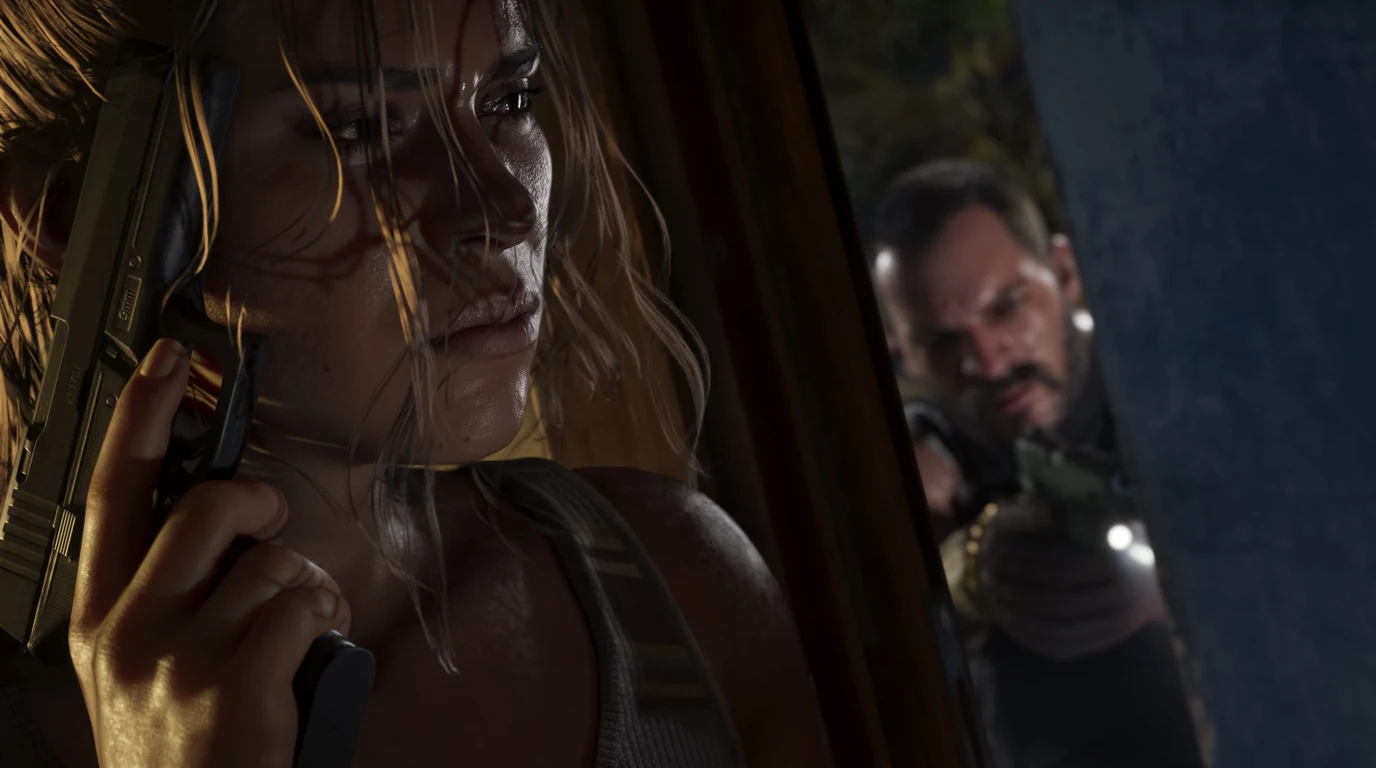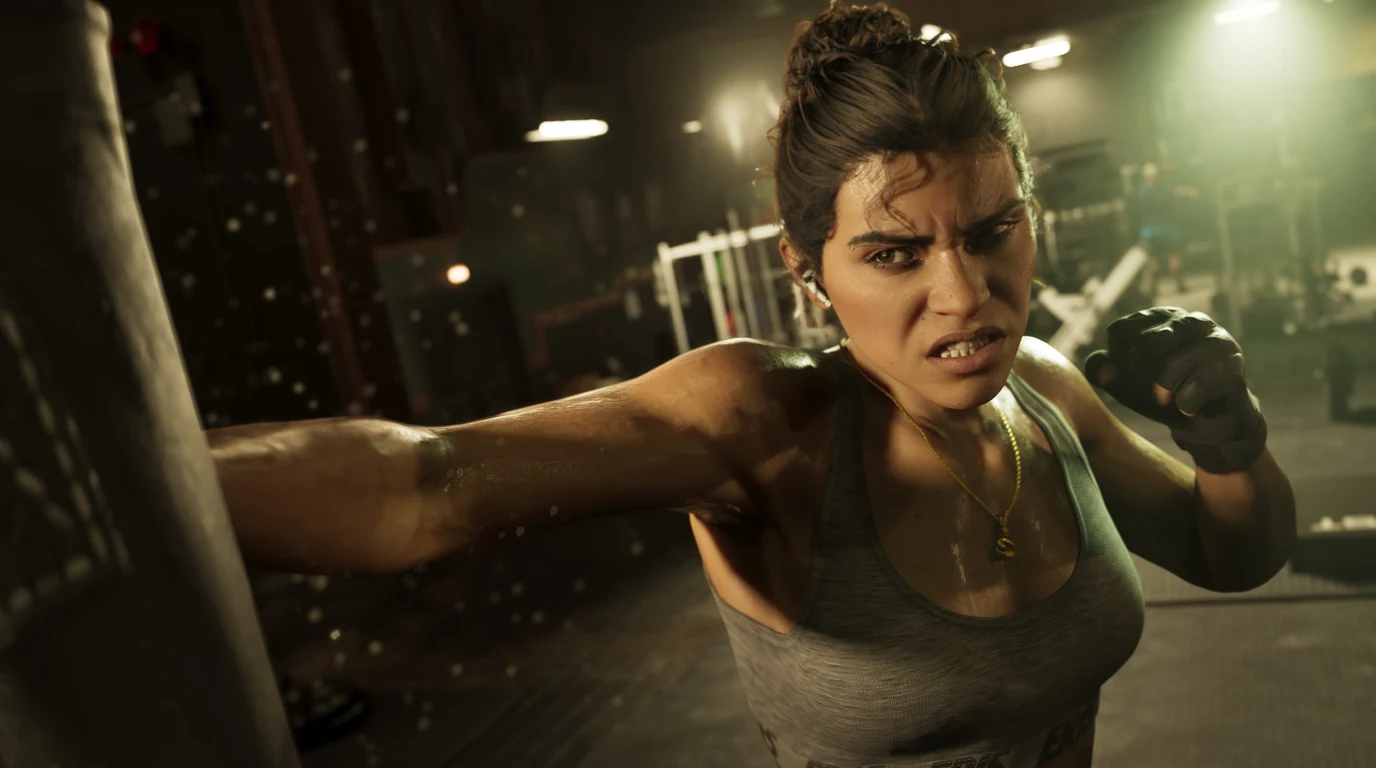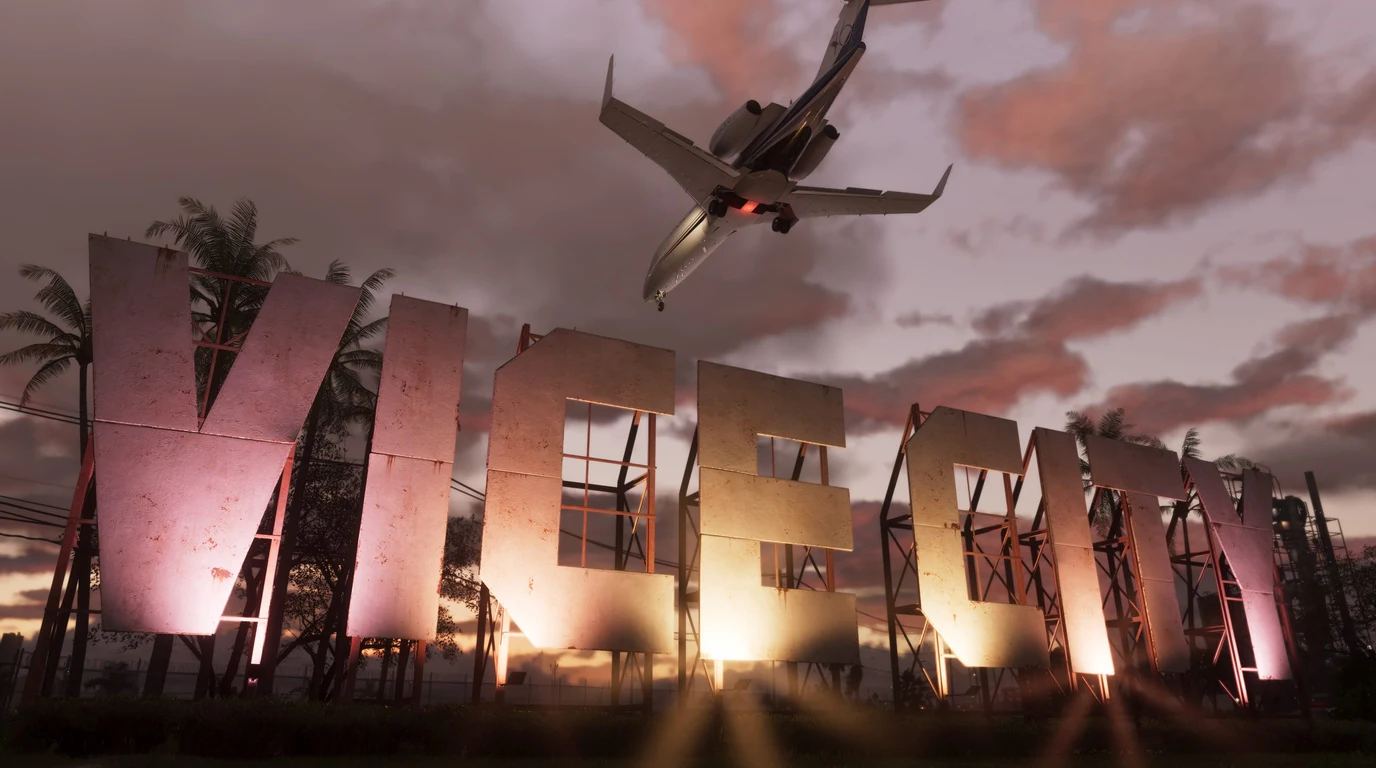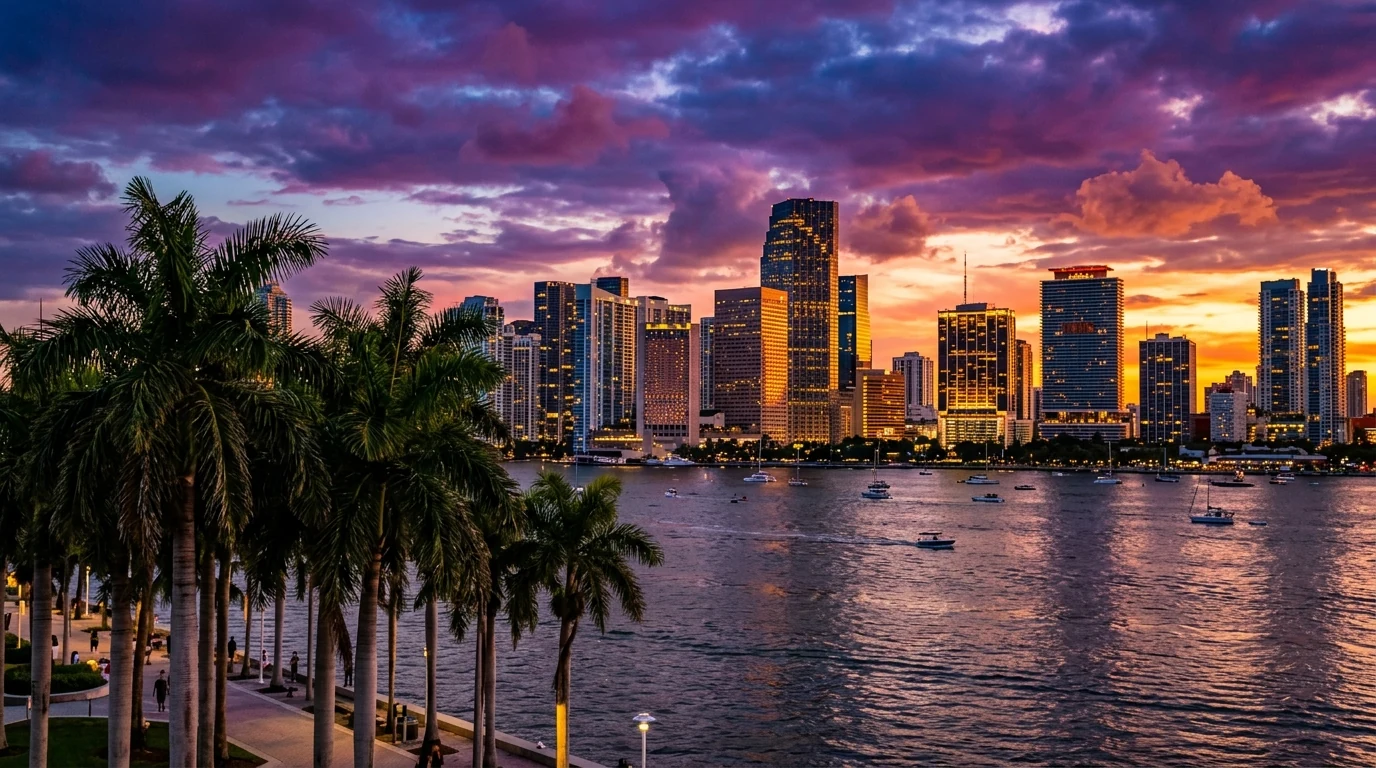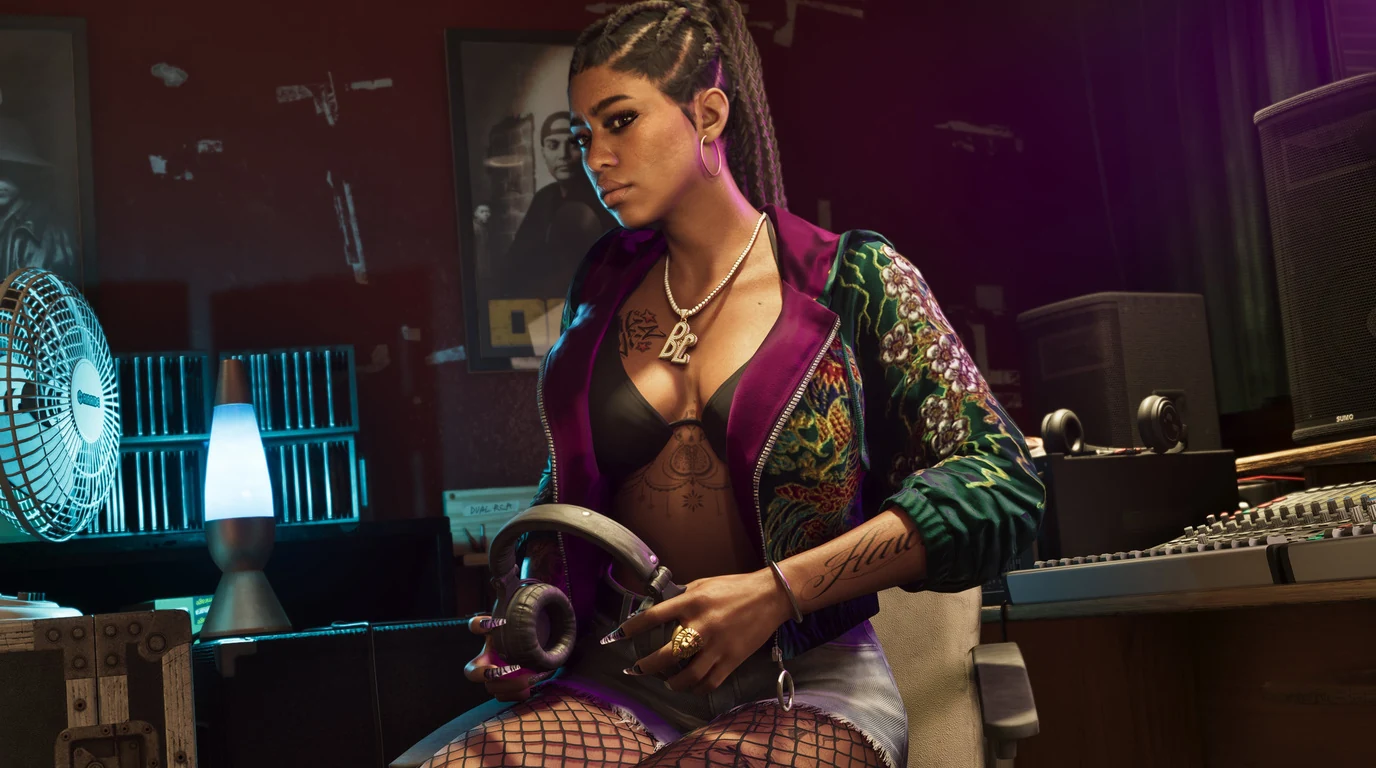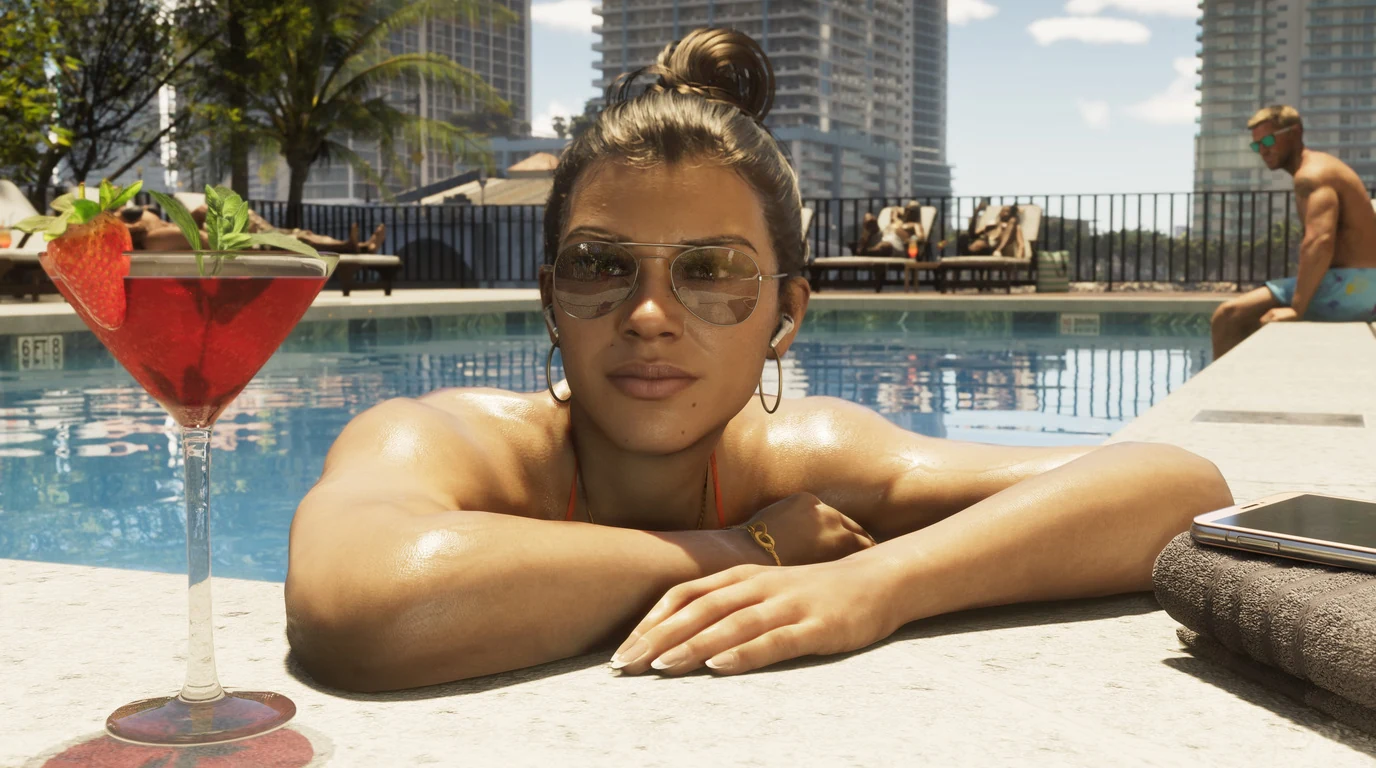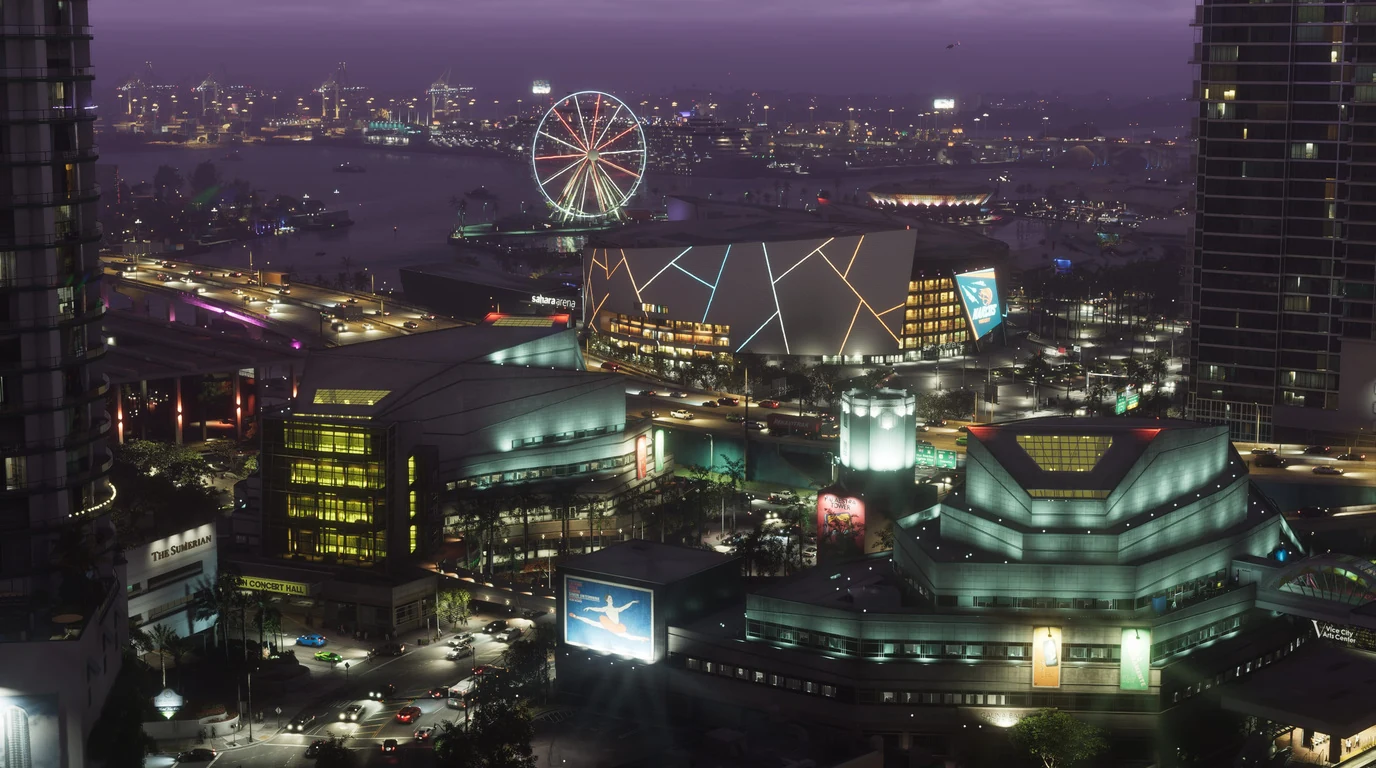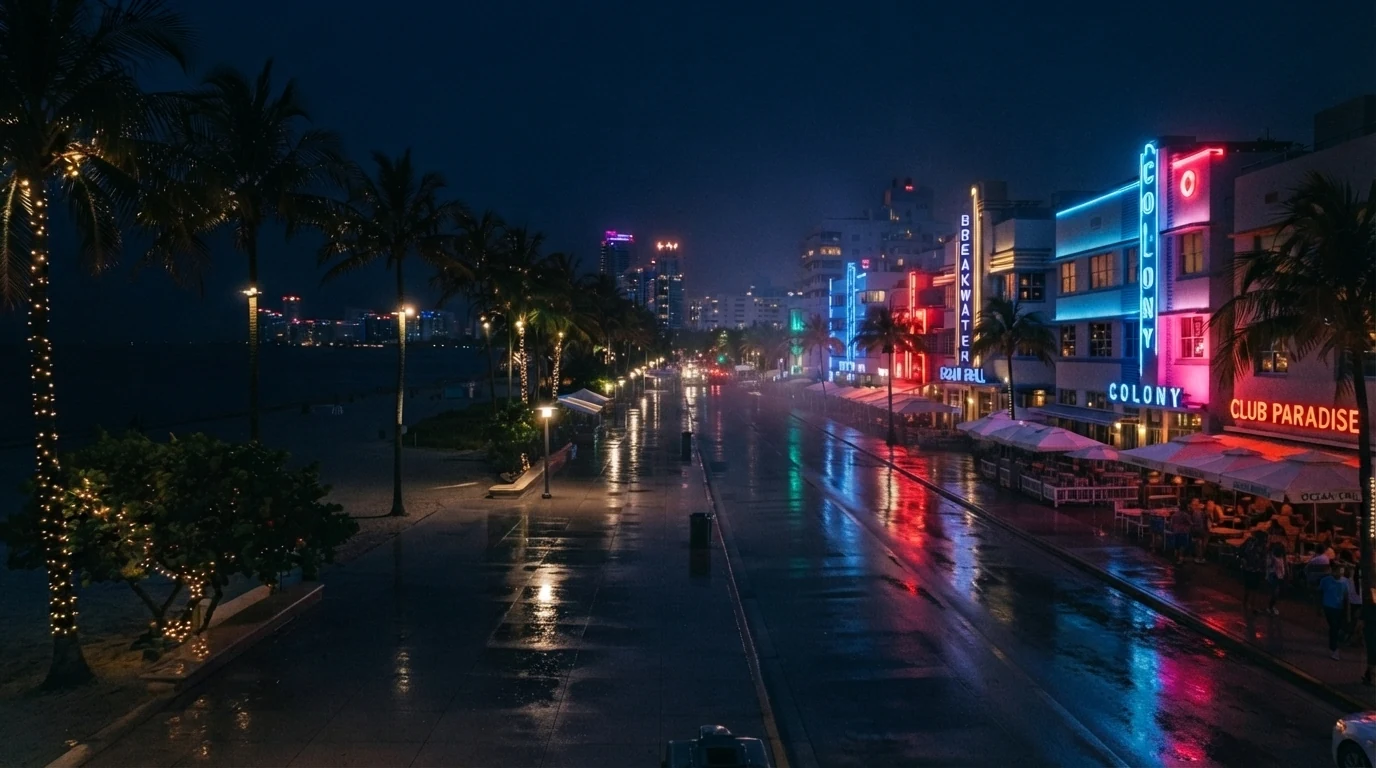
GTA 6 is Vice City's fourth appearance in the series, but the first in which the city lives in the present rather than the eighties.
1997: one of three cities
Vice City is older than it seems. It appeared in the very first Grand Theft Auto in 1997, alongside Liberty City and San Andreas. Back then it was a top-down map, and all it took from Miami was palm trees, beaches and a general mood.
That early trio of cities became the frame for the whole series. Each later got a big game of its own: Liberty City got GTA III and GTA IV, San Andreas got San Andreas and GTA V, and Vice City got Vice City.
2002: Vice City and the eighties
Grand Theft Auto: Vice City came out on PlayStation 2 in October 2002, just a year after GTA III. The setting moved to 1986, and the lead was Tommy Vercetti — a gangster sent to Vice City after fifteen years in prison and set up almost as soon as he arrives. He was voiced by Ray Liotta.
The game openly quoted Scarface and Miami Vice: white suits, neon, cocaine money, a mansion with a grand staircase and a final shootout. But that is not all it is remembered for. Vice City was the first in the series to let you buy businesses — clubs, a taxi firm, a car showroom, a film studio — and each one paid out and unlocked its own missions. The city became yours one district at a time.
Vice City was the first GTA in which the city was not a backdrop for crime but something you gradually made your own.
The soundtrack became a legend of its own: Flash FM, V-Rock, Fever 105, Emotion 98.3 and the talk stations. For many players this was when GTA radio stopped being background and became part of the world — we have a separate piece on that.
2006: Vice City Stories
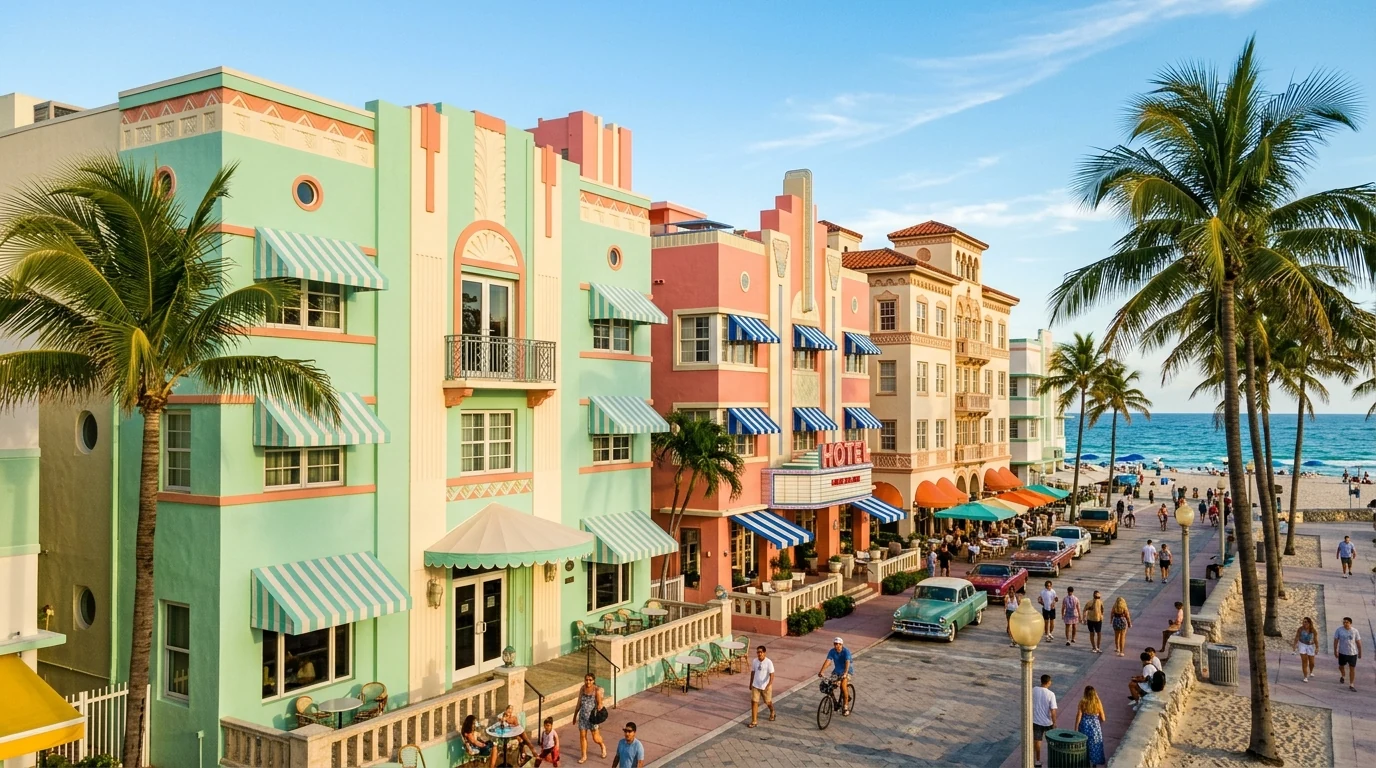
Four years later the city returned in Grand Theft Auto: Vice City Stories — first on PSP, then on PlayStation 2 in 2007. It is a prequel: the year is 1984 and the lead is Vic Vance, brother of Lance Vance from the original.
The map stayed largely the same, but the game added an empire-building system: taking over spots across the city and choosing which racket to run in each. In effect it developed the 2002 idea — the city again had to be taken over, this time through a war for territory.
2021: the Definitive Edition
In November 2021 Vice City was re-released in Grand Theft Auto: The Trilogy — The Definitive Edition, together with GTA III and San Andreas. The remaster had a rough reception: bugs, odd character models and songs missing because licences had expired. It was noticeably patched up later.
In the context of GTA 6, the collection is interesting for what it showed: twenty years on, Vice City still had a huge audience. Two years before GTA 6’s first trailer, that was a fairly clear signal of where the series might return.
What GTA 6 changes
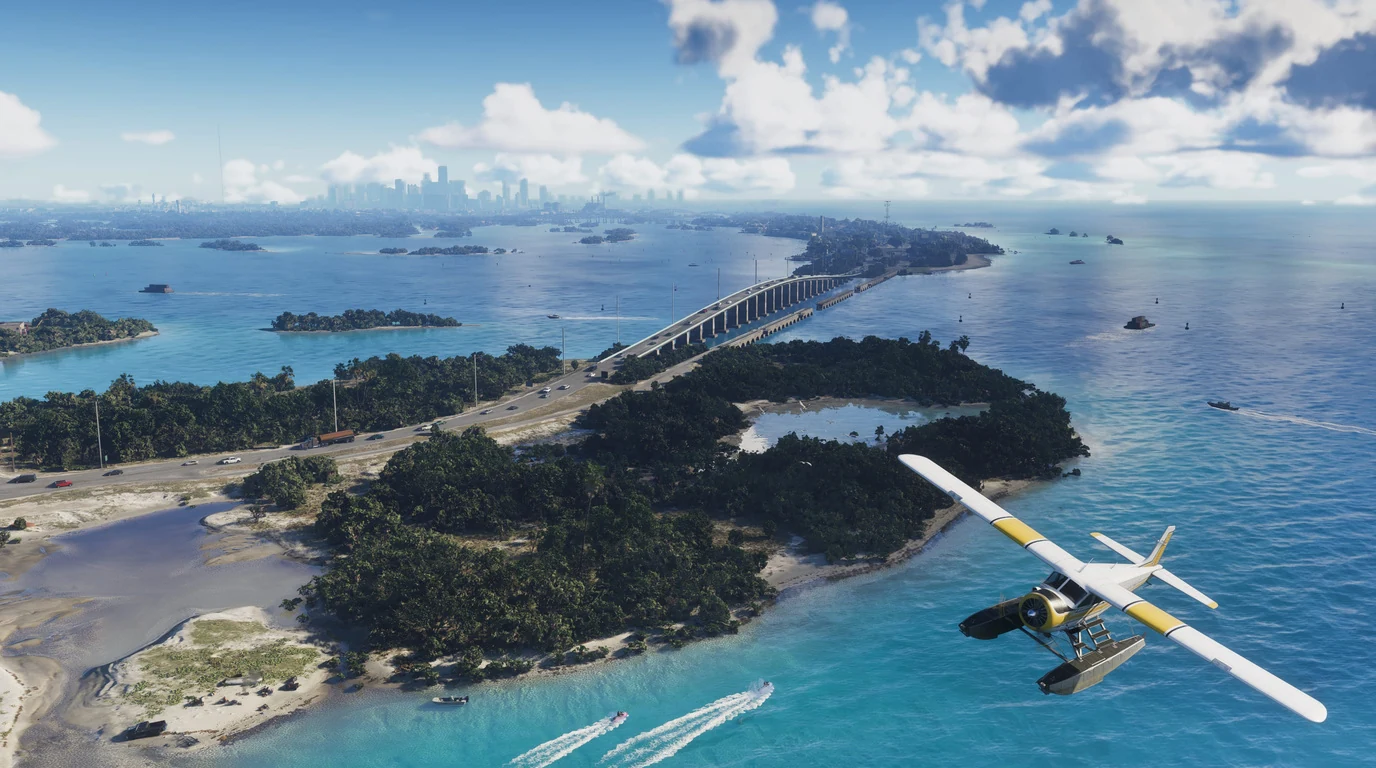
In every earlier game Vice City was a capsule: islands, bridges, a beach and the eighties. GTA 6 changes three things at once.
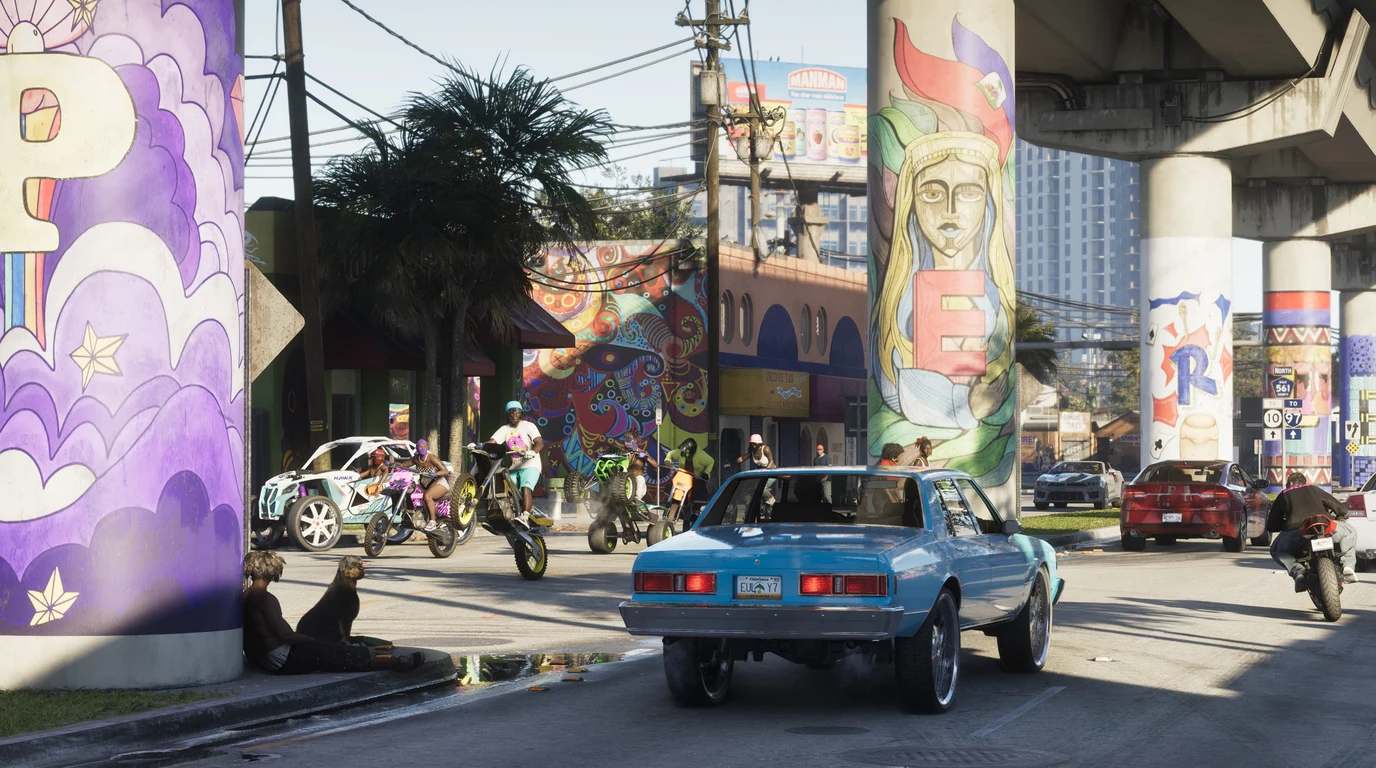
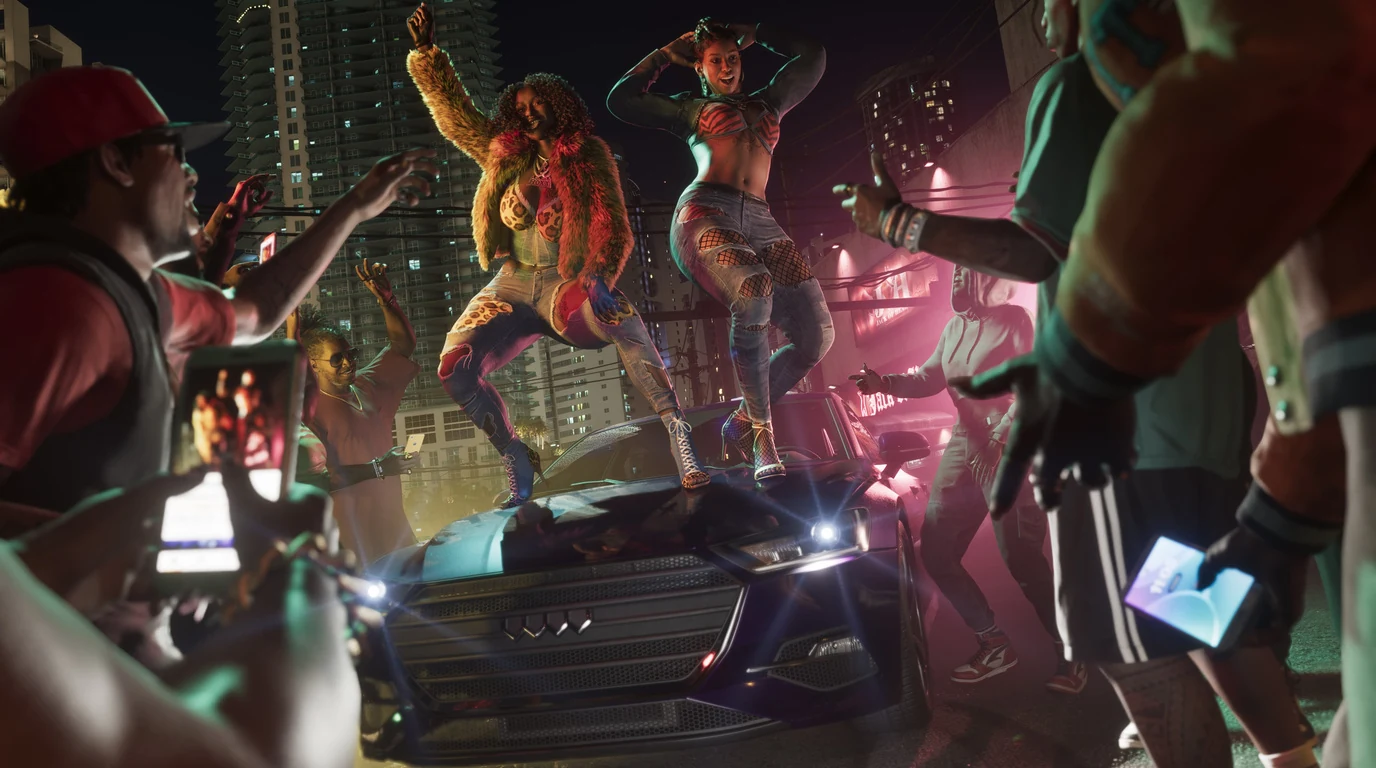
Time. The game is set in the present. Instead of neon and cassettes there are phones, vertical videos and news feeds. The irony about the era stays; its target changes.
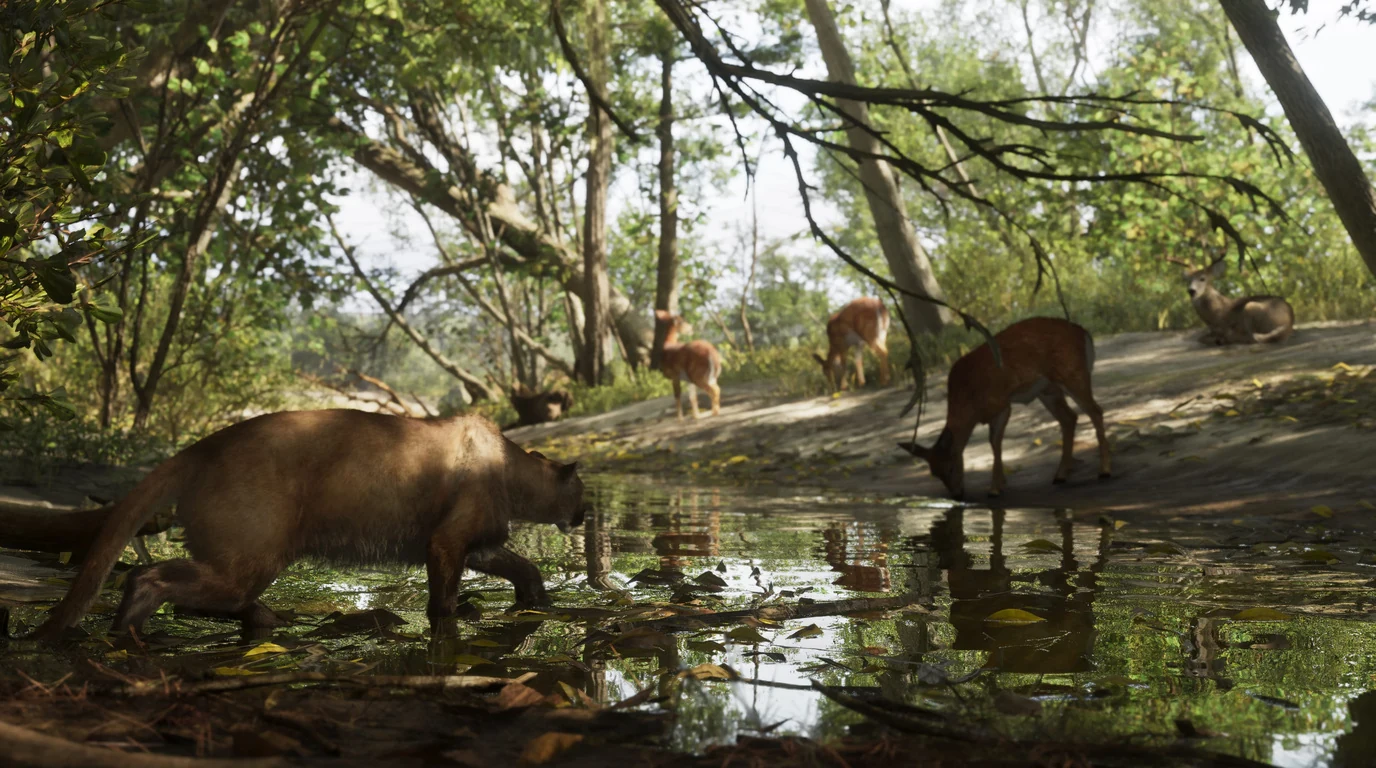
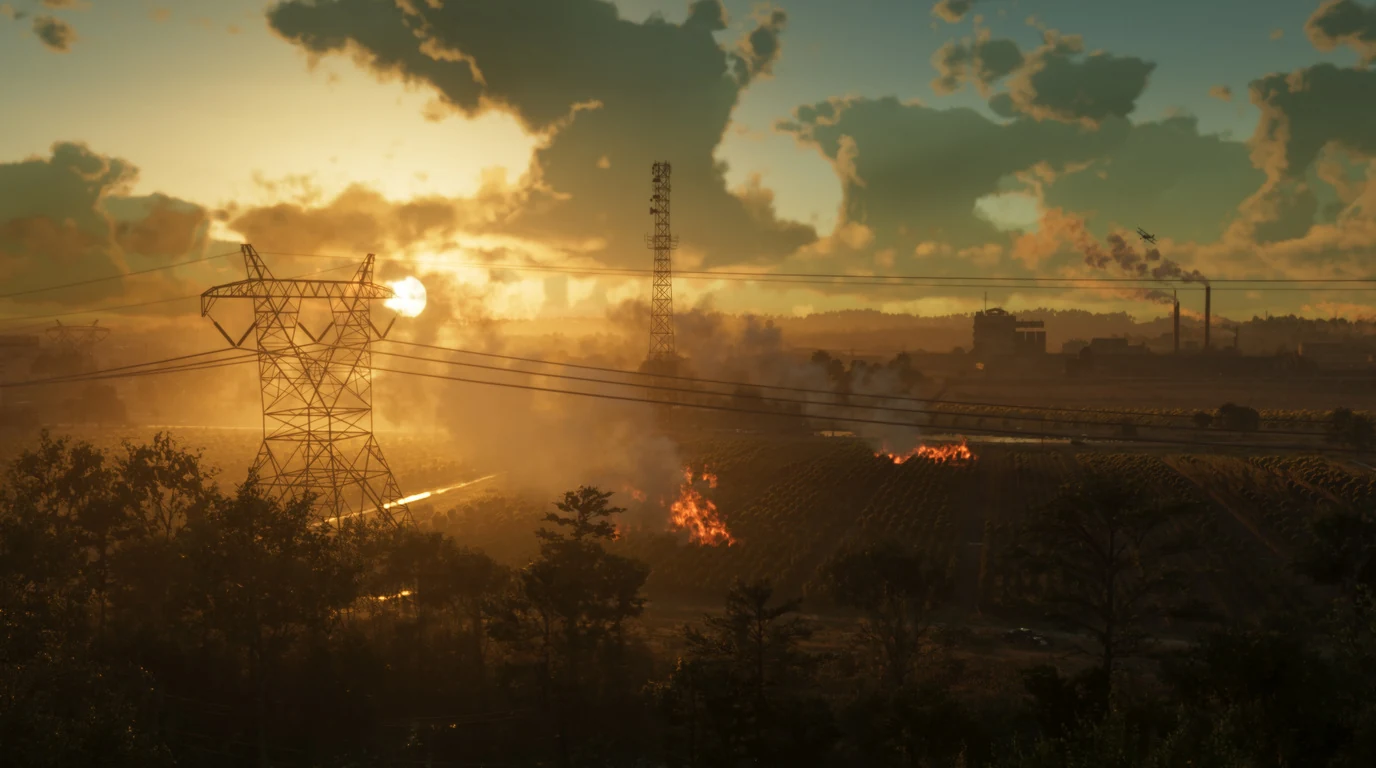
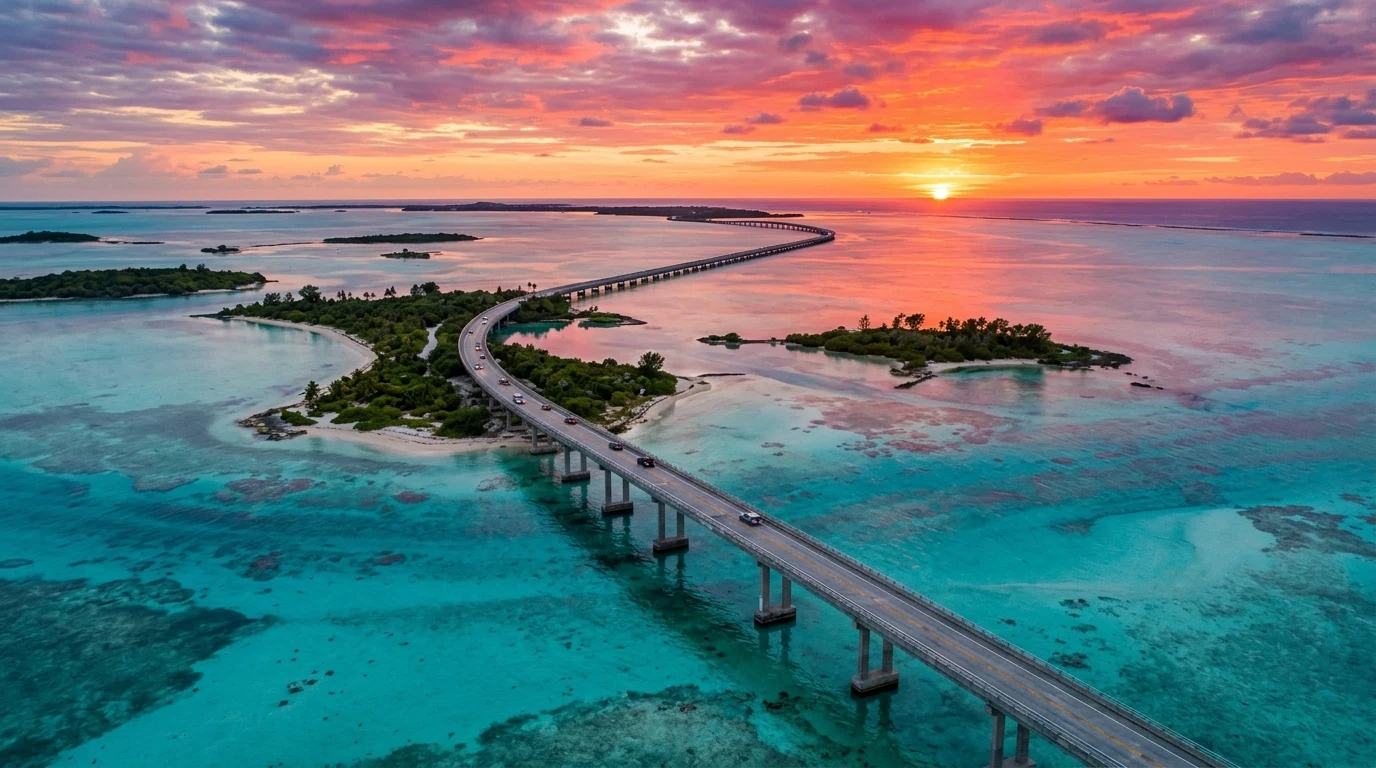
Scale. Vice City is no longer the whole map but the centre of the state of Leonida. Around it lie the Leonida Keys, the Grassrivers swamps, Port Gellhorn, Ambrosia and Mount Kalaga. For the first time since San Andreas, the series is building a region rather than a metropolis.
Recognisability. In 2002 Miami came through as a general spirit. Now, judging by the trailers, individual districts, hotels and even bars in the Keys can be matched to specific real places. More on that in our piece on the real Florida behind Leonida.
What stays the same is the core: Vice City is a city where money, fame and crime share one street. More than twenty years later, the series is going back to where that formula first worked at full strength.