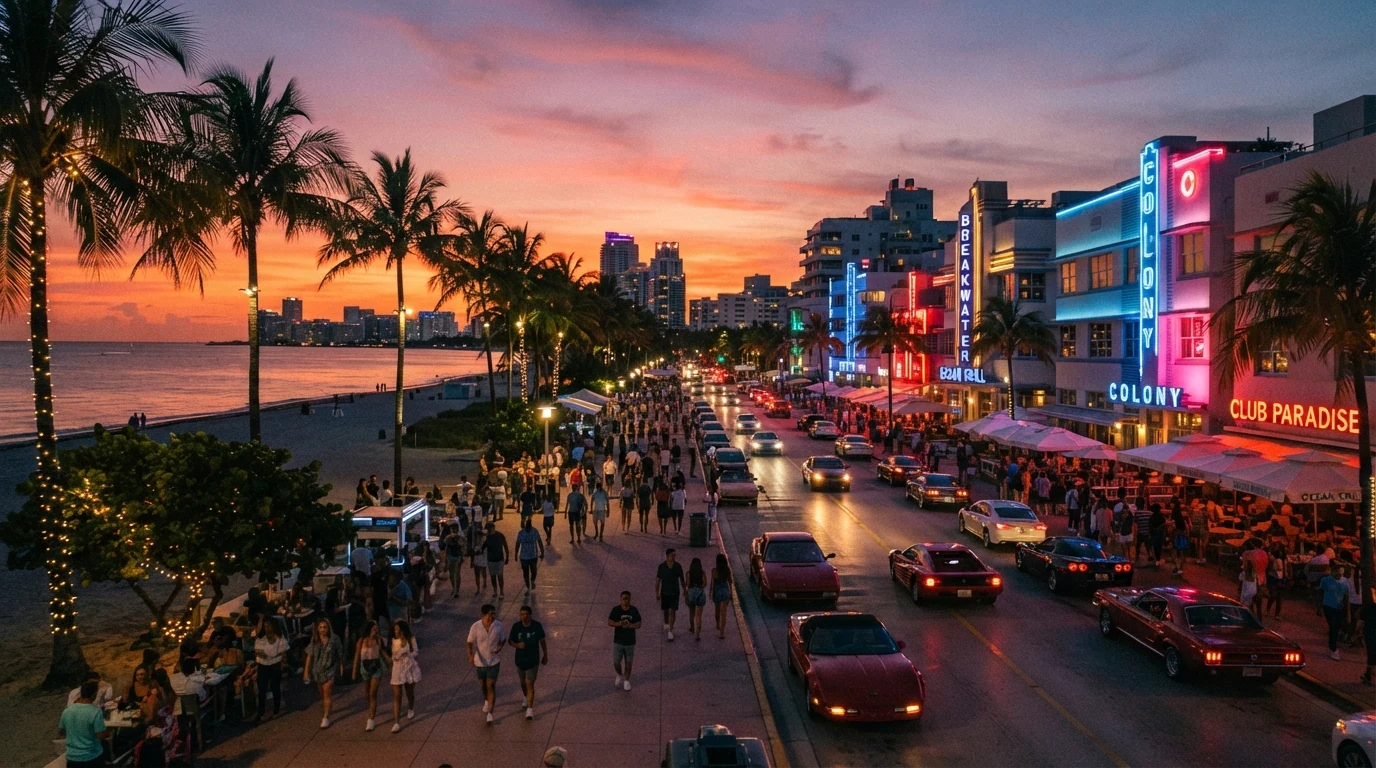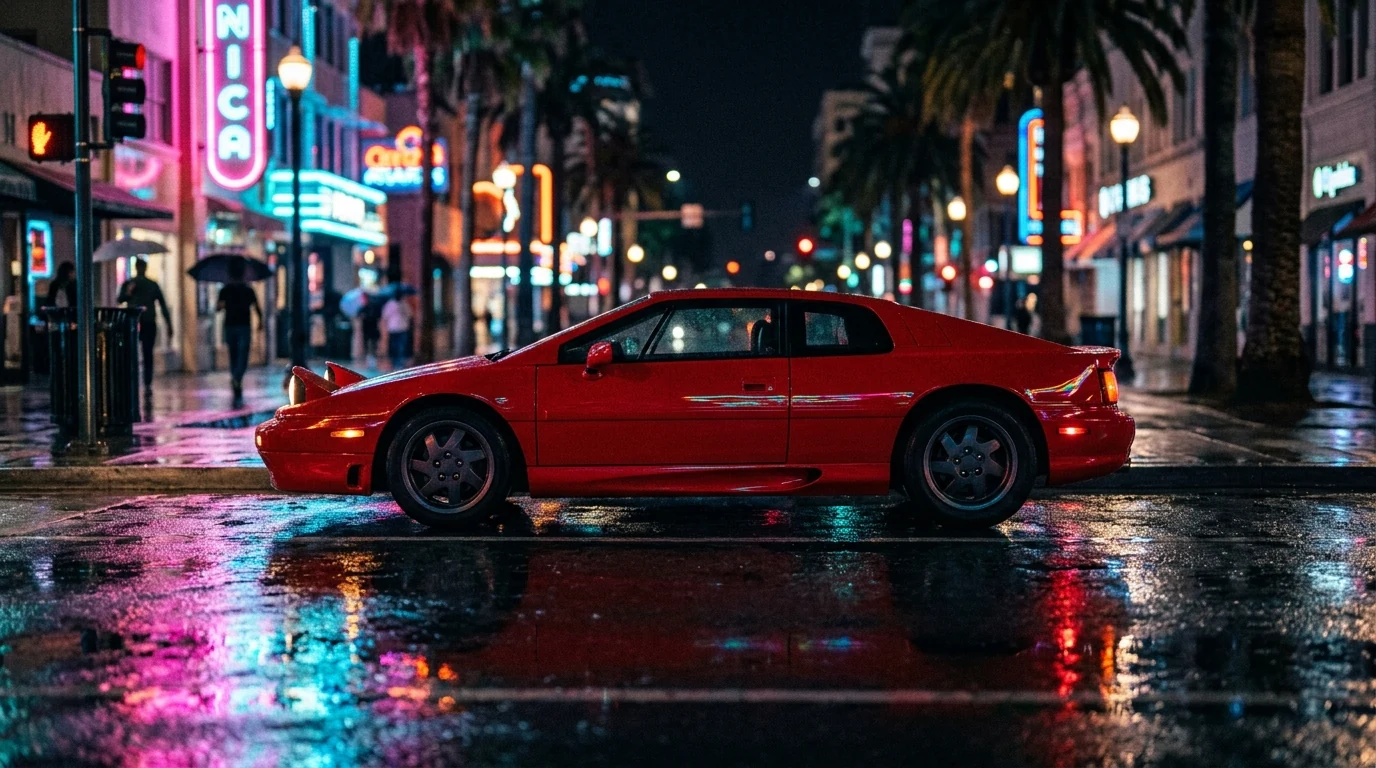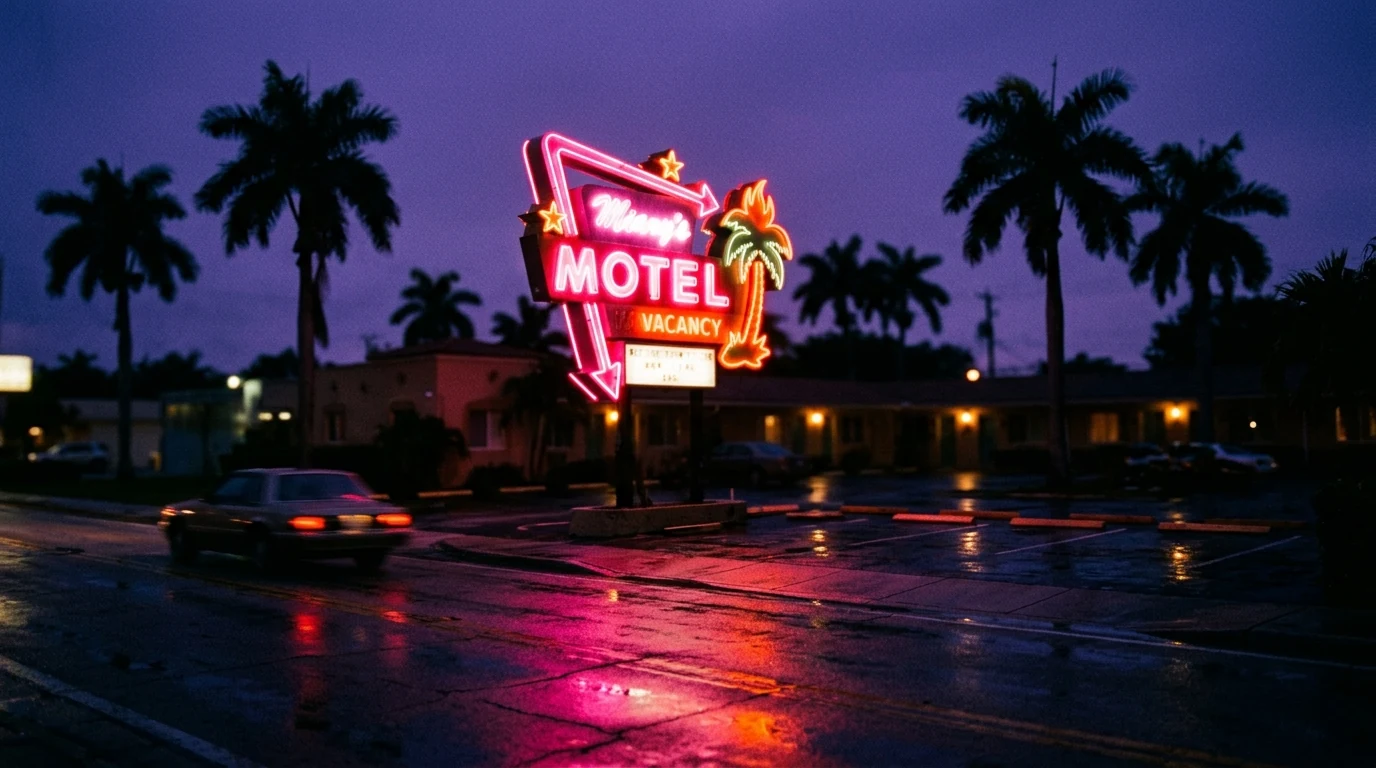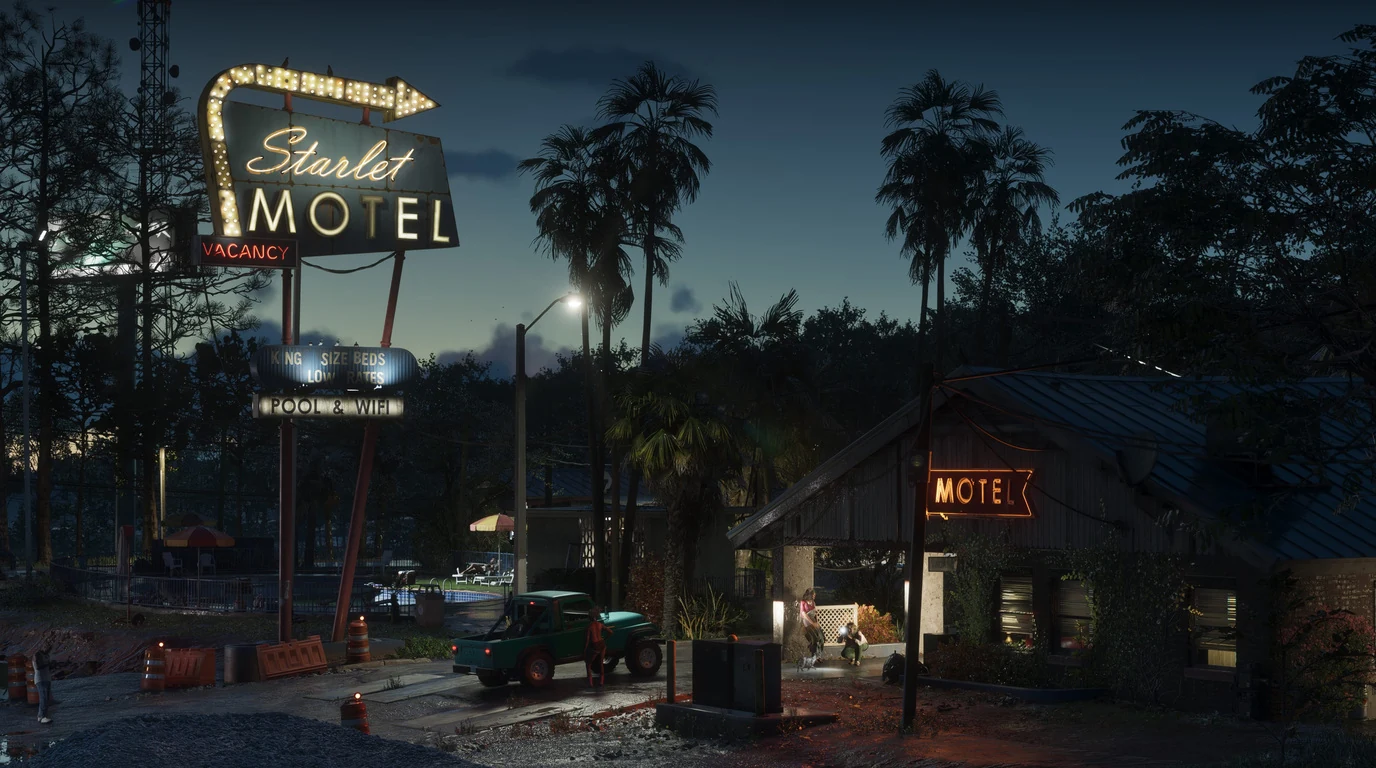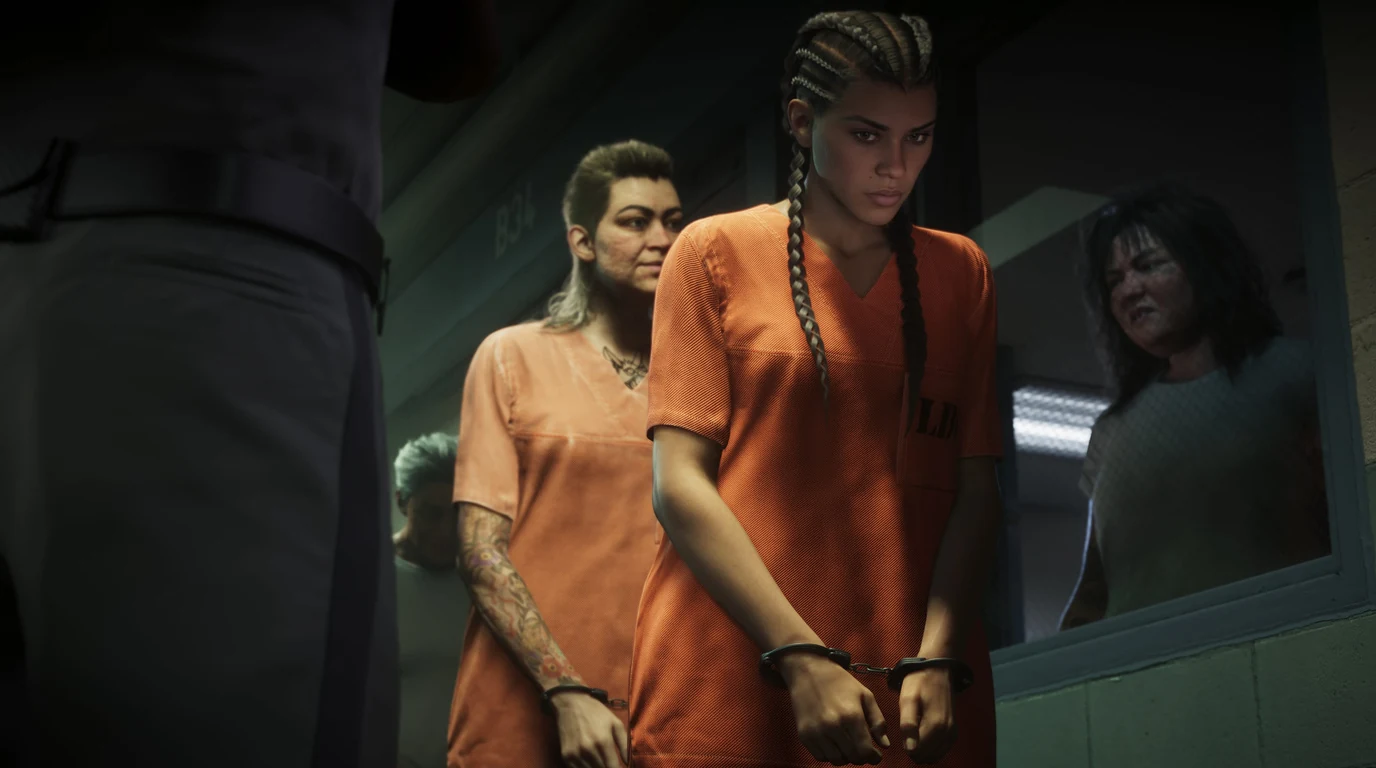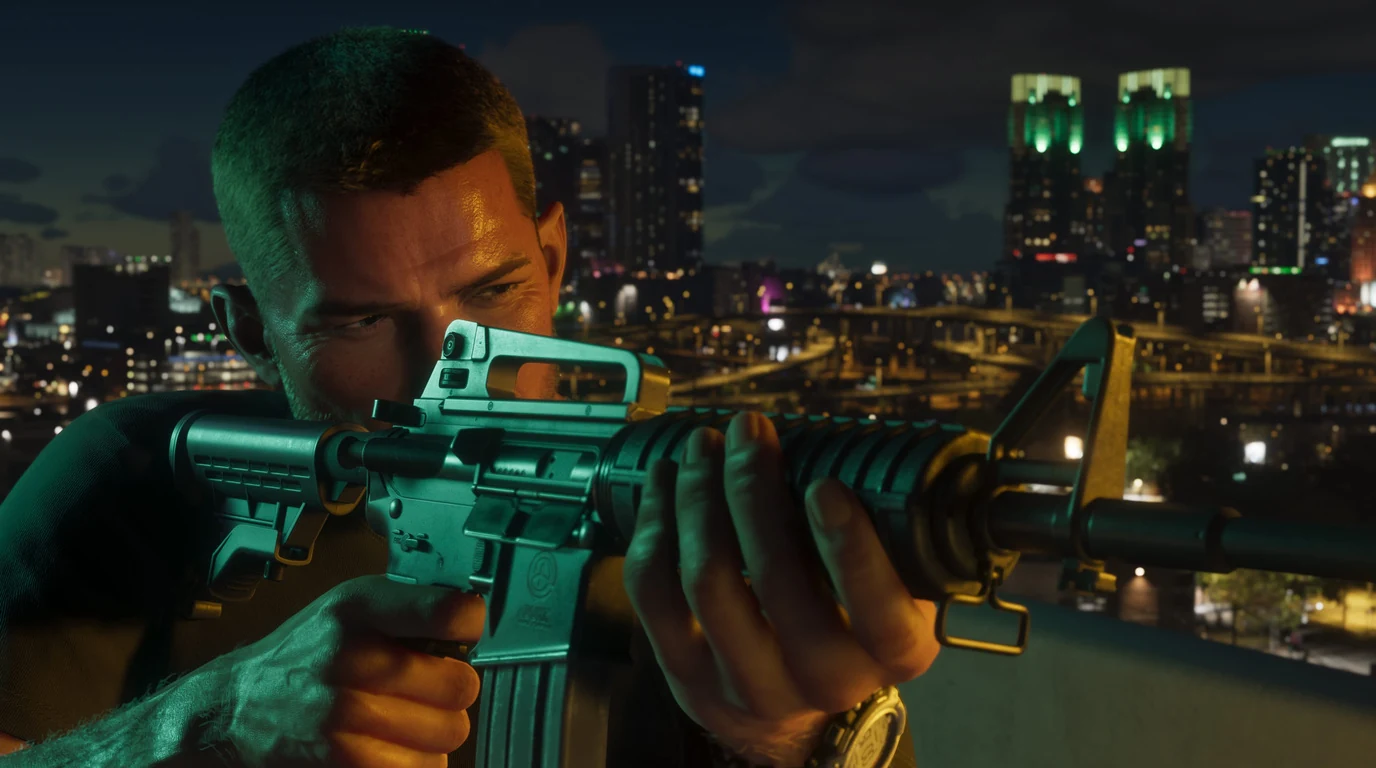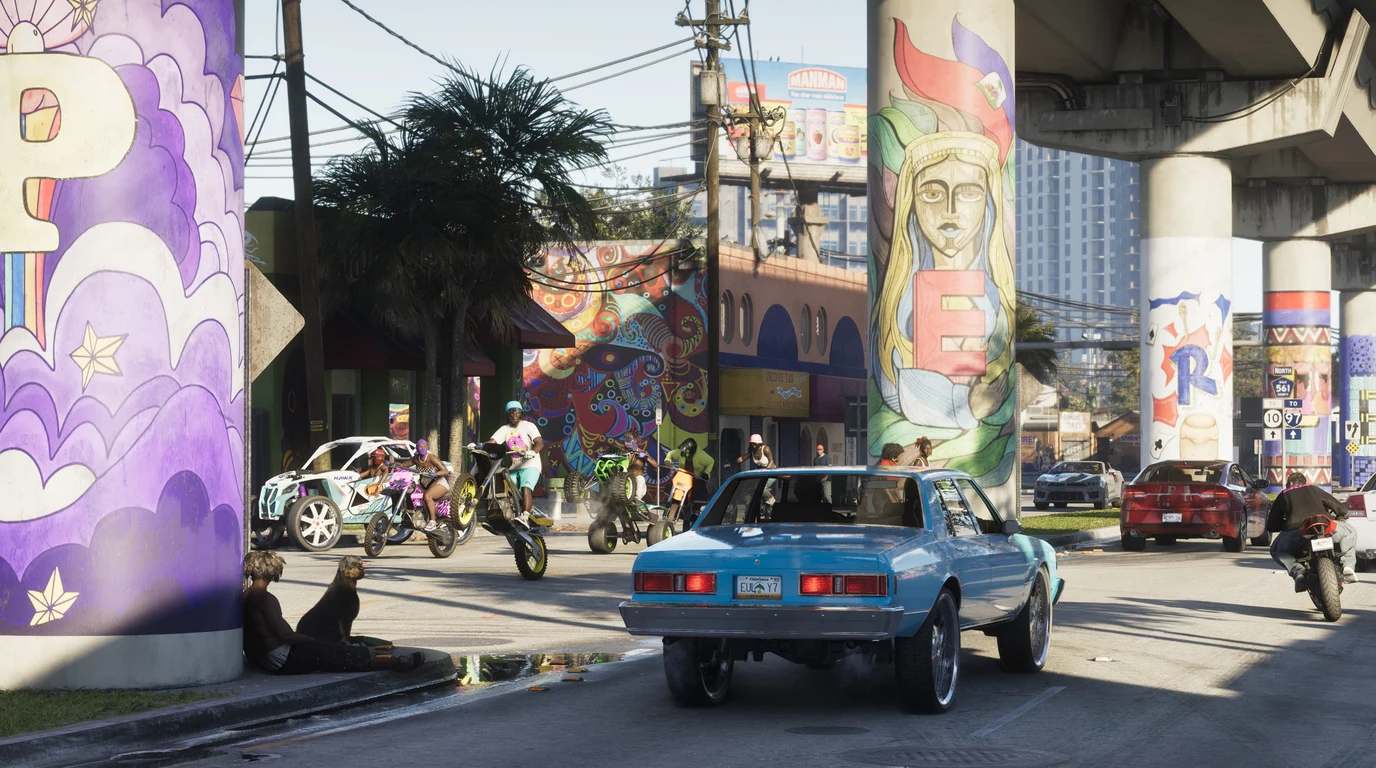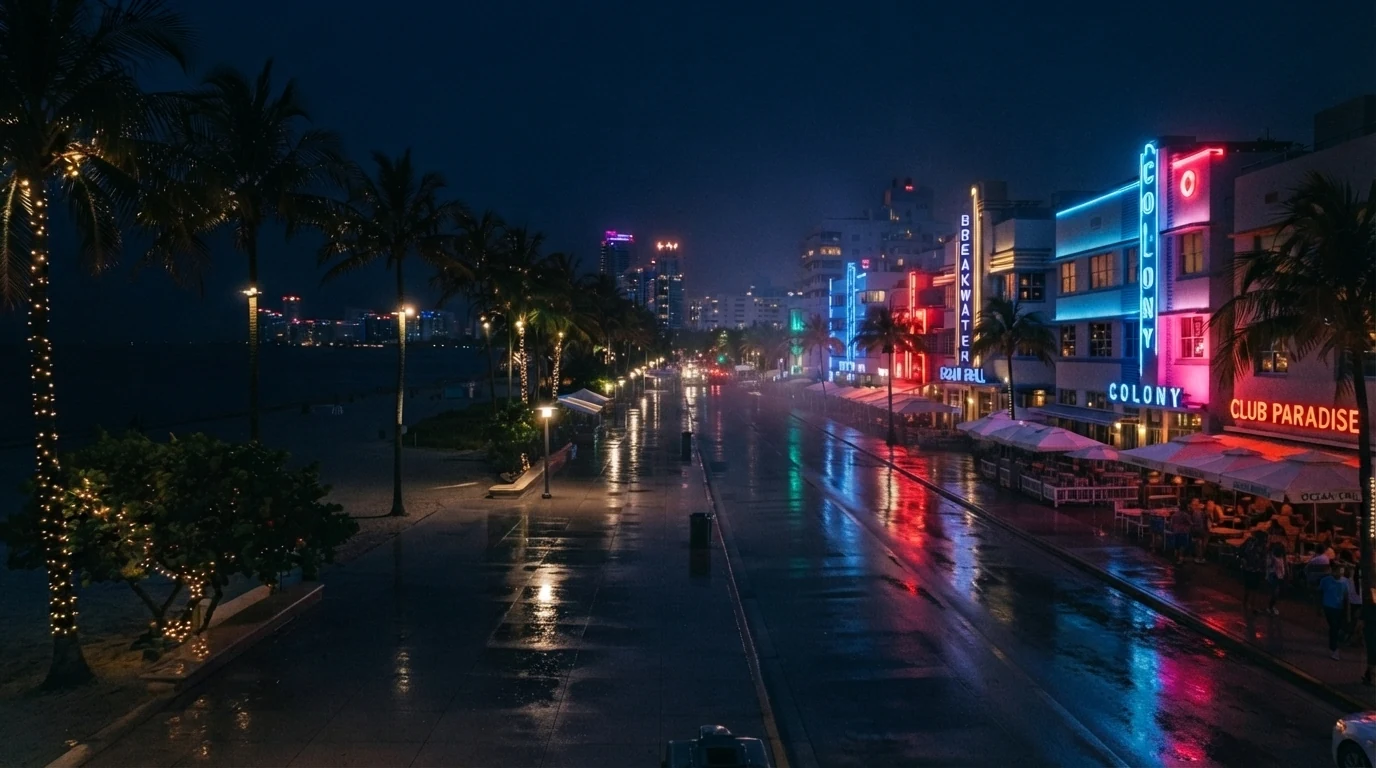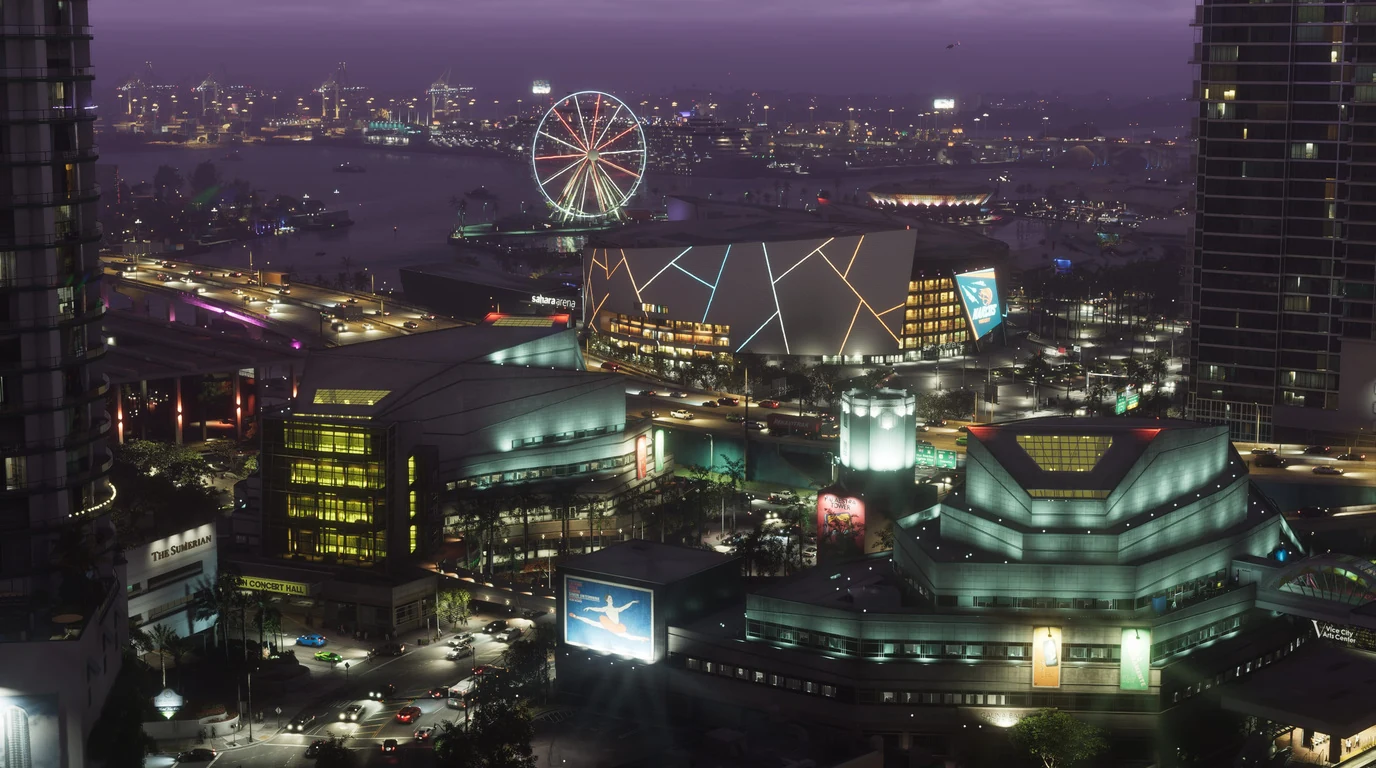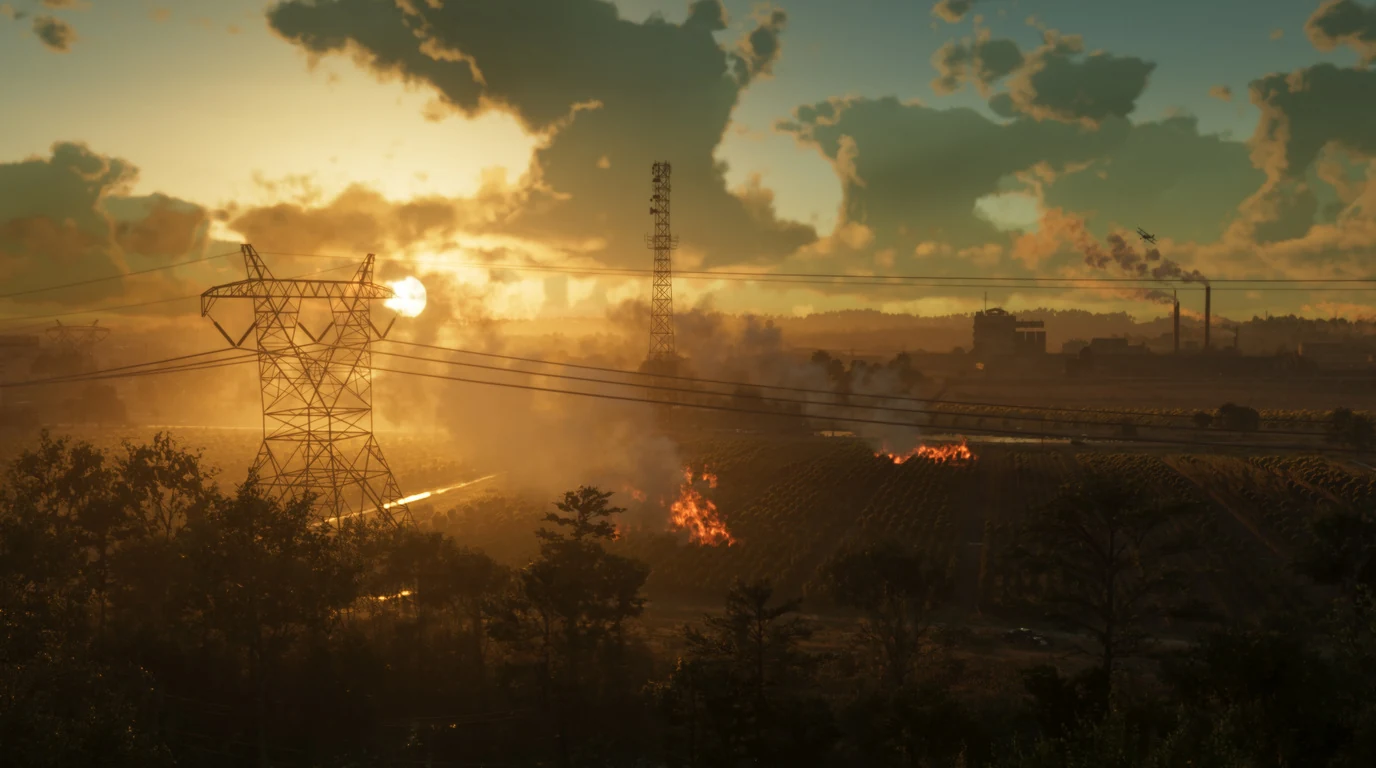
Weather in GTA has always been a colour filter. In a state where hurricane season lasts half the year, it ought to be more than that.
What can already be seen
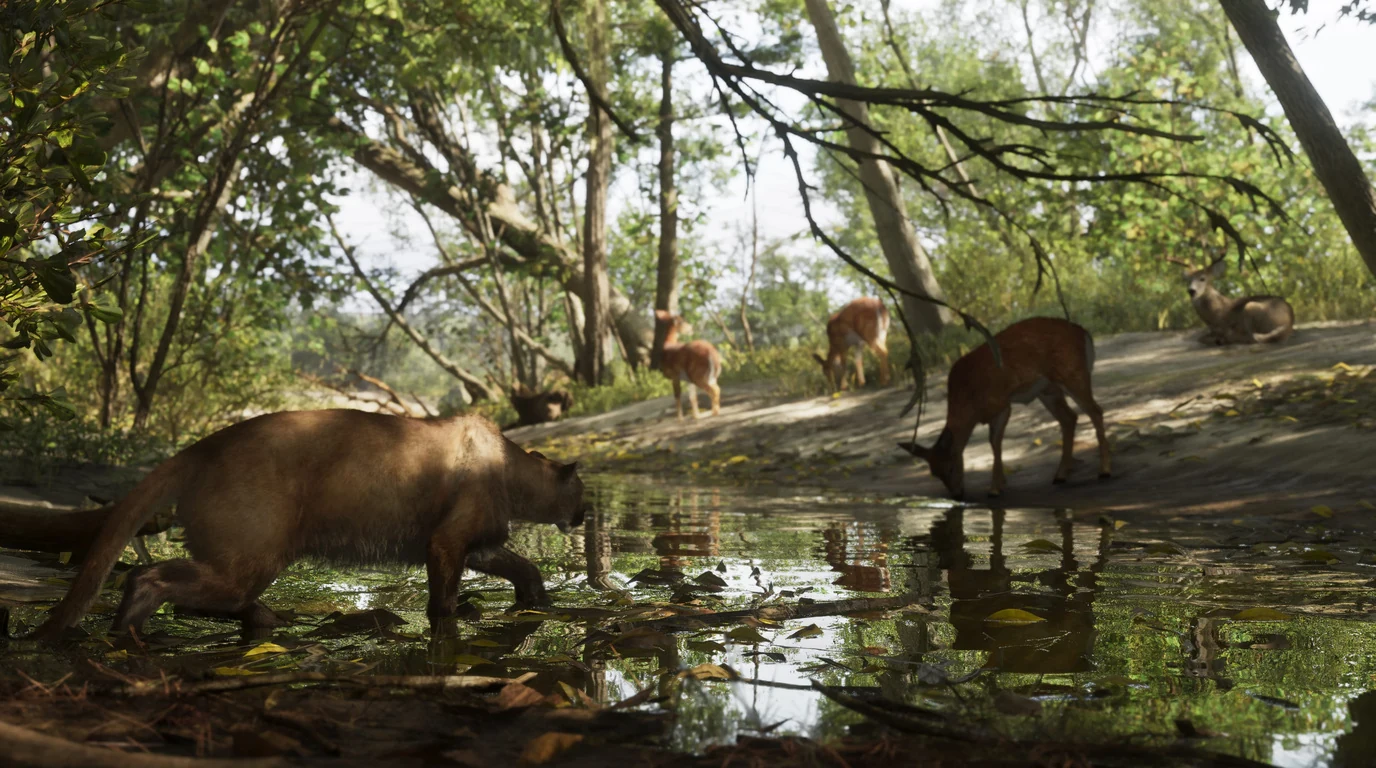
Between official material and leaks, little is known about weather — but what there is encourages. Write-ups note volumetric smoke, from cigarettes and from damaged cars, advanced water physics, and noticeably more sophisticated lighting than GTA V.
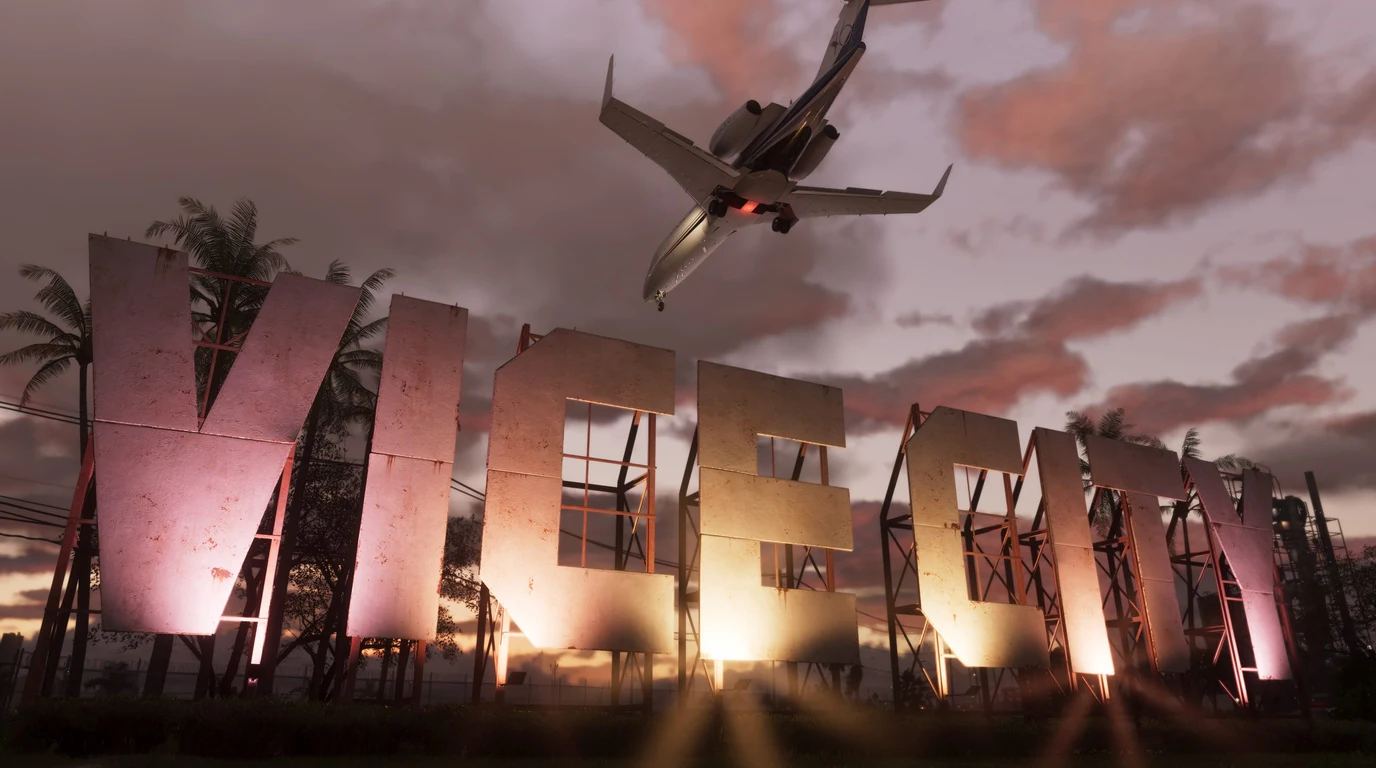
The trailers show the state in several states of its own: a scorched midday, a storm over the coast, the wet heat of the swamps. This is no longer one averaged sunny Miami.
Which leaves the open question: is weather here a picture or a system?
A hurricane as a map event
Florida is the first thing anyone thinks of at the word hurricane. The season runs June to November, evacuations are part of ordinary life there, and not using that in a game about Florida would be strange.
How it might work: not a permanent mechanic but an event that happens a handful of times across the game and rearranges the world for a few hours.
- The warning. News on the radio and television, queues at gas stations, boards going up over shop windows.
- The storm itself. Wind that pushes a car out of its lane, water across the roads, whole blocks losing power.
- Afterwards. Flooded districts, looting, communications down, and a police force with other priorities.
The last point is the interesting one. Post-hurricane chaos turns the city into a different place: what is normally impossible briefly is not. That is a ready-made frame for the best heist in the game.
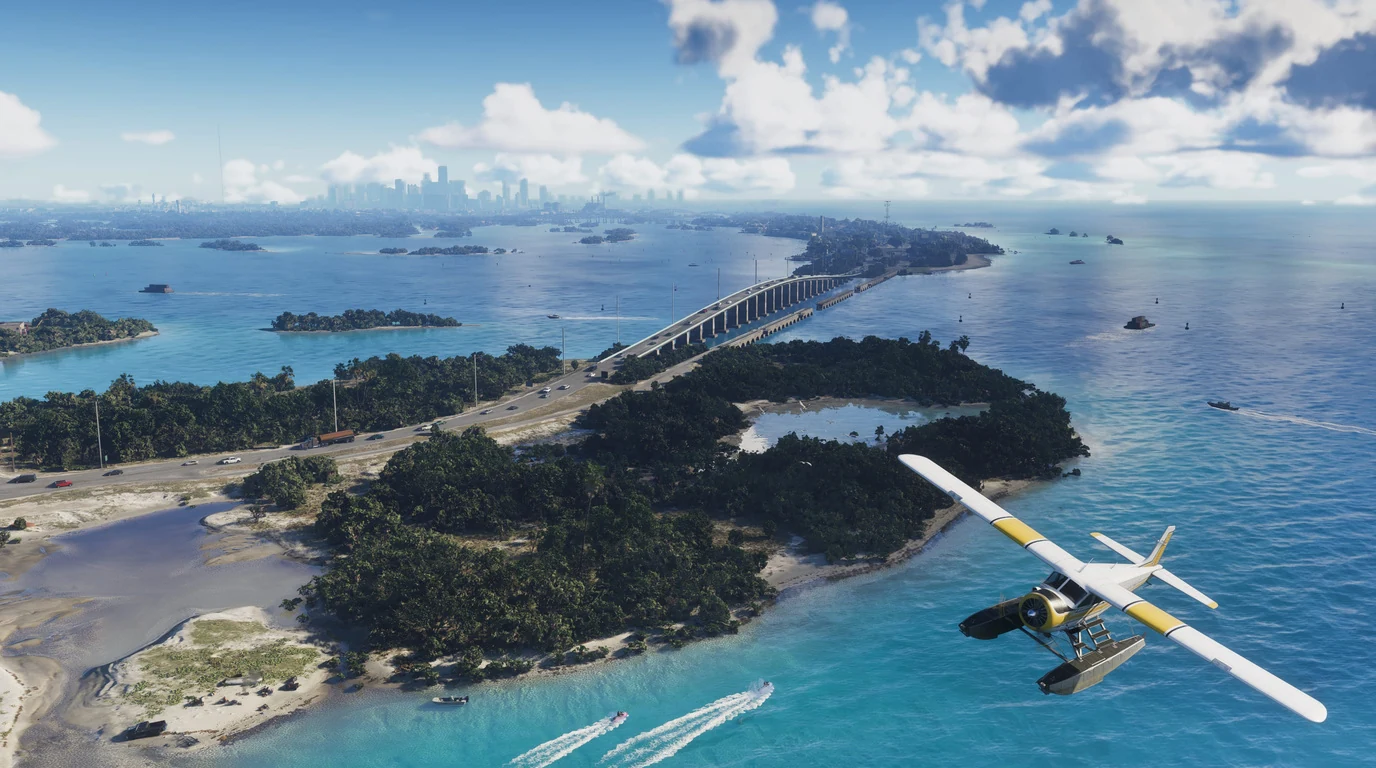
Seasons and the mood of a city
Full seasons make no sense in Florida — there is no snow. But Florida cities have something else: seasonality of life.
The difference between March and September in Miami is enormous. Spring brings spring break, packed beaches, clubs at full volume, crowds of visitors. Autumn brings half-empty streets, cheap rooms, shuttered places. That is not weather; it is density of people and money.
A city does not need snow to look different. It only needs a different number of people in it.
Tie that to the story chapters and each part of the game gets its own visual and audio register without a single new piece of technology. The same block at the height of the season and in a dead November is effectively two locations.
A night that differs from the day
Another thread the series traditionally underuses. In GTA V, night was darker, and that was all.
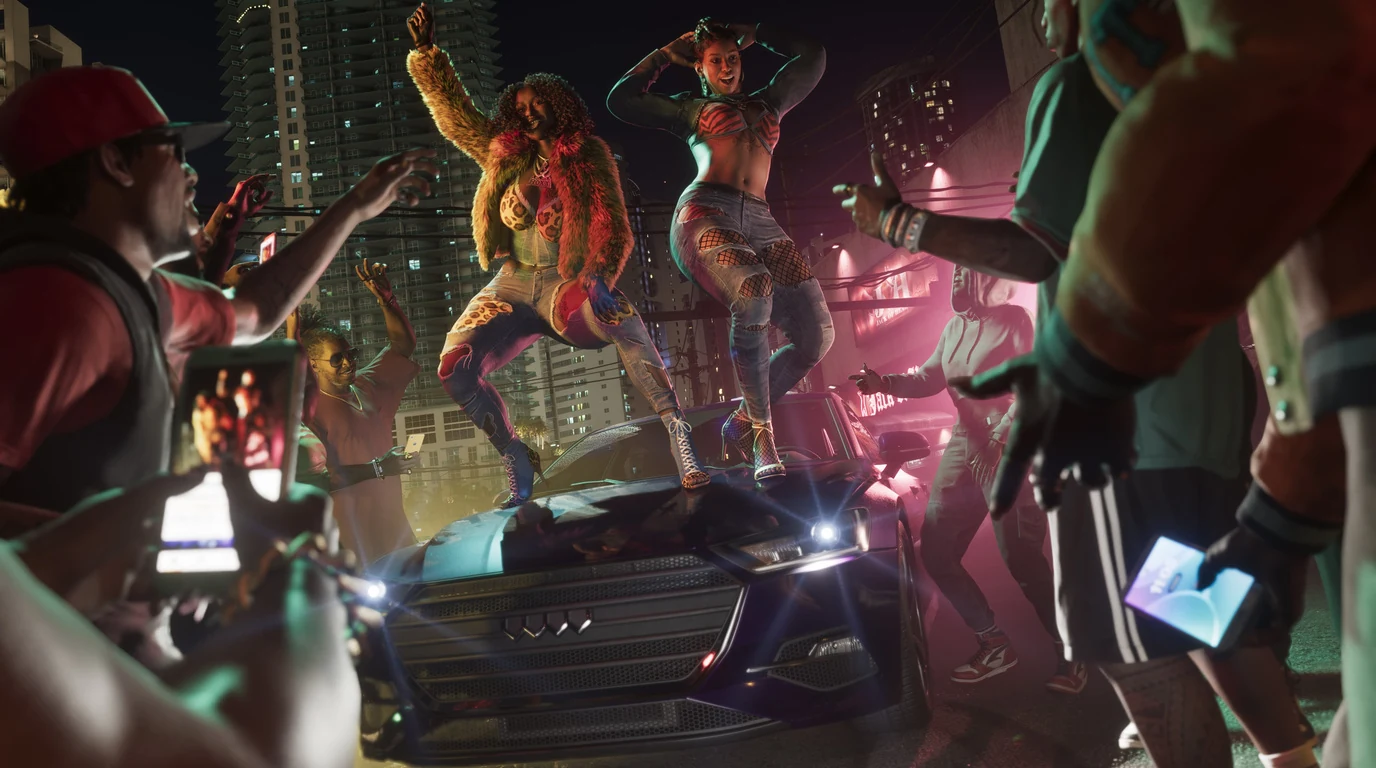
In a Vice City built on neon, night ought to be a distinct state of the world. Different people outside, different places open, different police behaviour, different carrying distance for a gunshot. If the game really does have witnesses, recognition by appearance and a record of descriptions, then time of day becomes a tactical parameter: the same job at night and in daylight is two different jobs.
This is not fantasy — in RDR2 time of day already shaped world behaviour far more than it did in GTA V.
How likely any of it is
Soberly: dynamic weather is certain, and the effects are visibly better than before. That much is already clear.
A hurricane as a story event is plausible, but most likely as a scripted chapter rather than a random occurrence. That is the usual approach: an event on that scale is too expensive to make repeatable.
Seasonality as a shift in the mood of the city between chapters is the likeliest item on this list, because it costs little and gives a great deal.
Which of it actually exists should be visible after the extended gameplay showcase on 27 August 2026, and completely only after release on 19 November.